
Educational
Understanding Fishing Rod Materials: A Comprehensive Guide
May
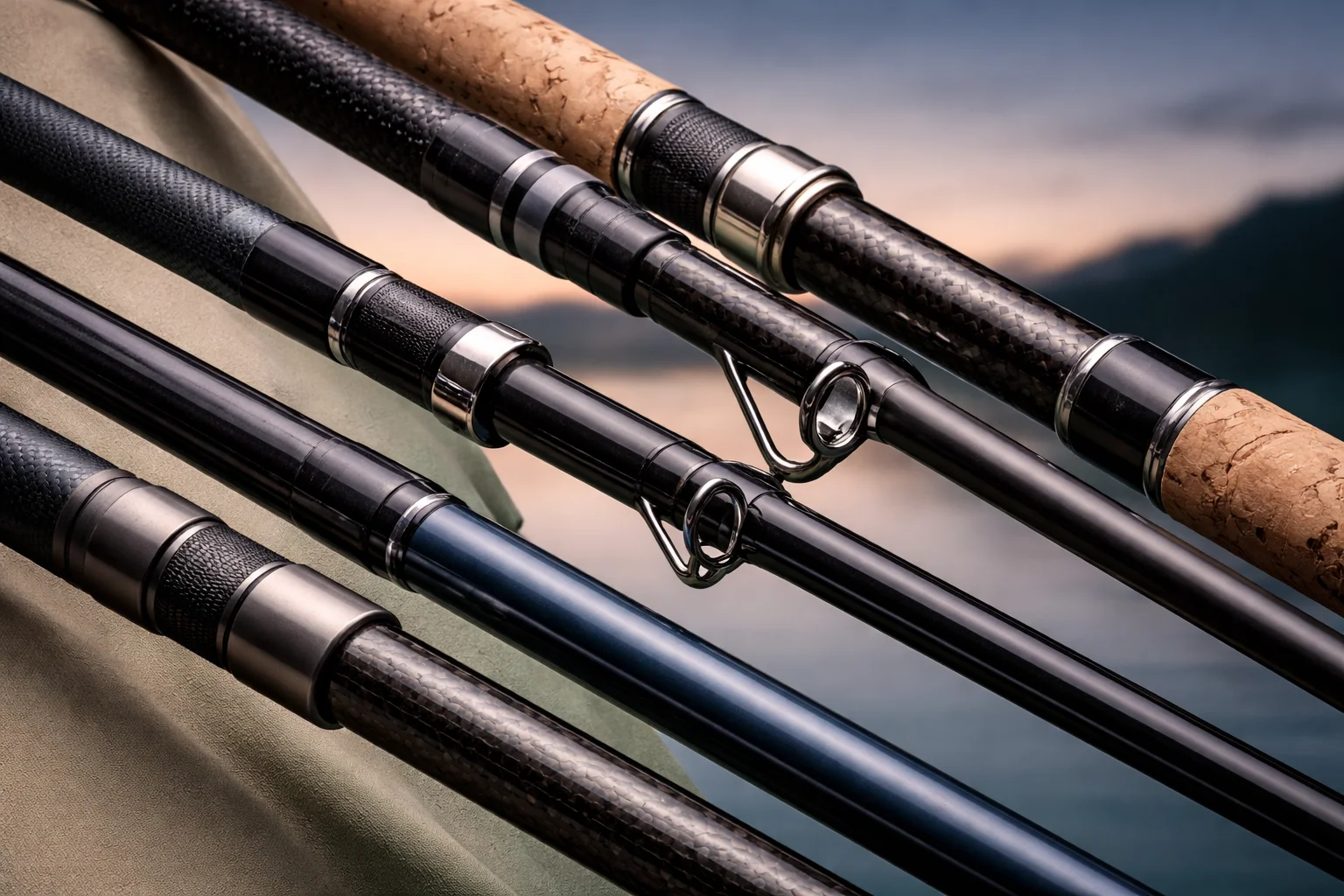
Fishing is not just a hobby; it’s a passion that connects countless people to nature. One of the most crucial aspects of fishing is choosing the right fishing rod material. The material of your fishing rod significantly influences its performance, durability, and suitability for different fishing techniques. This comprehensive guide aims to explore the various fishing rod materials available, focusing on their unique characteristics, advantages, and disadvantages. By the end, you will have a better understanding of which fishing rod material best suits your style and needs.
When it comes to selecting a fishing rod, the importance of material selection cannot be overstated. Different fishing techniques demand different attributes from a rod. For instance, a rod designed for heavy surf fishing will differ significantly from one intended for delicate fly fishing. The material used in constructing the rod affects its weight, sensitivity, and overall strength, which can ultimately impact your fishing success. It’s essential to consider how you fish, where you fish, and the species you target when determining the best material for your fishing rod.
Types of Fishing Rod Materials
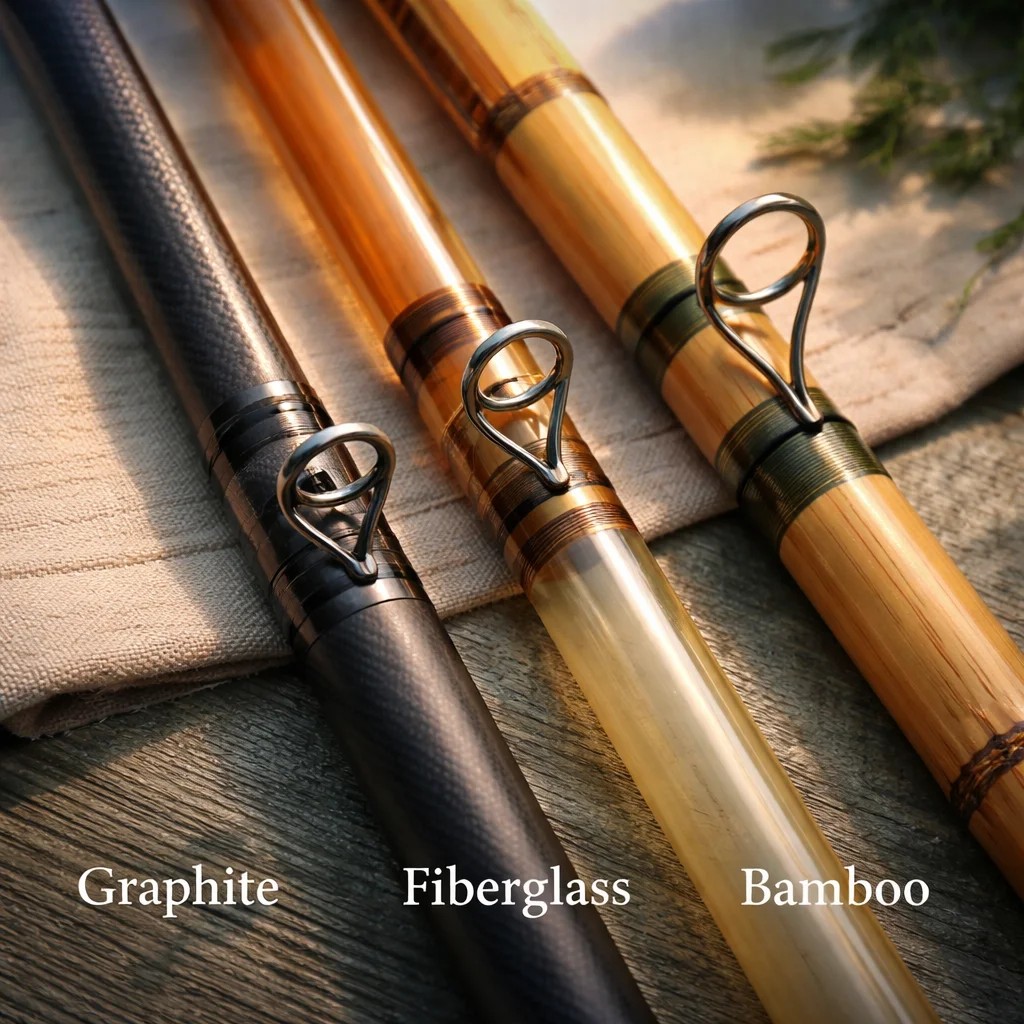
Fishing rods are generally made from a variety of materials, each offering distinct advantages and trade-offs. The most common materials used in fishing rod construction include fiberglass, graphite, composite, aluminum, and bamboo. Understanding the properties of each material will help you make an informed choice tailored to your fishing style. Let’s dive deeper into each type of fishing rod material, exploring their unique characteristics and best use cases.
Fiberglass Fishing Rods
Fiberglass rods have been a staple in the fishing industry for decades, known for their flexibility and strength. One of the primary advantages of fiberglass is its ability to withstand rough handling and adverse conditions, making it an excellent choice for beginners or those who fish in rugged environments. Fiberglass rods are also relatively inexpensive compared to other materials, making them accessible for new anglers looking to get started without breaking the bank.
In terms of performance, fiberglass rods tend to offer a slower action, which is beneficial for casting larger lures and handling bigger fish. They are forgiving and can absorb shock well, which is particularly useful when battling a strong fish. However, the downside is that fiberglass rods may lack the sensitivity found in other materials, making it harder to detect subtle bites. As a result, while fiberglass rods are great for heavy-duty fishing, they might not be the best choice for techniques requiring precision, such as finesse fishing.
Graphite Fishing Rods
Graphite rods are highly favored among experienced anglers due to their sensitivity and lightweight performance. Made from graphite fibers, these rods provide exceptional responsiveness, allowing anglers to feel even the lightest bites. This is particularly advantageous in situations where finesse techniques are employed, such as when targeting panfish or using light tackle for bass fishing. The lightweight nature of graphite rods also enables longer casting distances, which can be a significant advantage in vast fishing areas.
However, it’s important to note that while graphite rods are sensitive and lightweight, they can be more fragile compared to fiberglass. This means they require more careful handling and may not be the best choice for beginners who are still learning the ropes. Additionally, graphite rods can be on the pricier side, which could deter budget-conscious anglers. Overall, if you prioritize sensitivity and lightweight performance, a graphite rod may be worth the investment.
Composite Fishing Rods
Composite rods combine materials to leverage the strengths of both fiberglass and graphite. By blending these materials, composite rods aim to provide the best of both worlds: the sensitivity and lightweight nature of graphite along with the durability and versatility of fiberglass. This makes composite rods an appealing option for anglers who want a versatile fishing rod that can perform well across various fishing scenarios.
Composite rods typically offer a medium action, making them suitable for a wide range of fishing techniques. They can handle both lighter and heavier lures, making them an excellent choice for anglers looking to experiment with different styles of fishing. However, the trade-off with composite rods can be their weight, which may be slightly heavier than pure graphite rods. Ultimately, composite rods represent a balanced option for anglers who appreciate versatility without compromising too much on performance.
Aluminum Fishing Rods
Aluminum fishing rods are less common than other materials but are gaining traction due to their durability and corrosion resistance. Often used in saltwater fishing environments, aluminum rods can withstand harsh conditions without succumbing to rust or degradation. This makes them ideal for anglers who frequently fish in saltwater and need a rod that can endure the elements.
While aluminum rods are incredibly durable, they tend to be heavier than their graphite and fiberglass counterparts. This can lead to fatigue during long fishing sessions. Additionally, the sensitivity of aluminum rods may not match that of graphite rods, making it harder for anglers to detect subtle bites. However, for those prioritizing longevity and resistance to environmental wear, aluminum rods can be an excellent investment, particularly for saltwater anglers.
Bamboo Fishing Rods
Bamboo fishing rods offer a traditional feel and aesthetic that appeals to many anglers. While less common in modern fishing, bamboo rods have a rich history and are known for their unique action and beautiful craftsmanship. They provide a slower, more deliberate action, which can be beneficial for certain types of fishing, particularly when using delicate techniques or targeting smaller species.
However, bamboo rods require more maintenance than synthetic materials and can be more susceptible to environmental damage, such as moisture and temperature changes. They can also be on the pricier side due to their handcrafted nature. For anglers who appreciate the artistry and tradition of fishing, bamboo rods can provide a unique experience and connection to the craft.
Choosing the Right Material for Your Fishing Style
When selecting a fishing rod material, it’s essential to consider your fishing style and the type of fishing you plan to do. Different materials excel in different scenarios, and understanding these nuances can significantly enhance your fishing experience. For instance, if you primarily fish in freshwater and prefer finesse techniques, a lightweight graphite rod might be your best option. Conversely, if you enjoy surf fishing or targeting larger species, a durable fiberglass or composite rod could be more suitable.
Additionally, consider your budget when choosing a fishing rod material. While it’s tempting to go for the latest graphite model, it may not be necessary for your fishing needs. Many affordable options exist that provide excellent performance. Testing different materials can also help you find your personal preference. Many tackle shops offer the opportunity to hold and feel different rods, which can greatly aid in making a decision.
Maintenance of Fishing Rod Materials
Proper maintenance of your fishing rod is crucial for extending its lifespan and ensuring optimal performance. Regardless of the material, regular cleaning and care can prevent damage and keep your rod in top shape. For fiberglass and composite rods, a gentle wash with soap and water is usually sufficient. Be sure to dry them thoroughly to prevent moisture buildup, which can lead to mold or degradation over time.
Graphite rods, while sensitive, require a more cautious approach. Avoid dropping them or subjecting them to extreme temperatures, as this can weaken the material. Aluminum rods should be rinsed with fresh water after each use, especially if used in saltwater, to prevent corrosion. Bamboo rods, on the other hand, should be treated with care, and occasional varnishing can help protect the wood from environmental damage. Establishing a regular maintenance routine will significantly enhance the longevity of your fishing rod, regardless of its material.
Conclusion: Finding the Perfect Rod Material
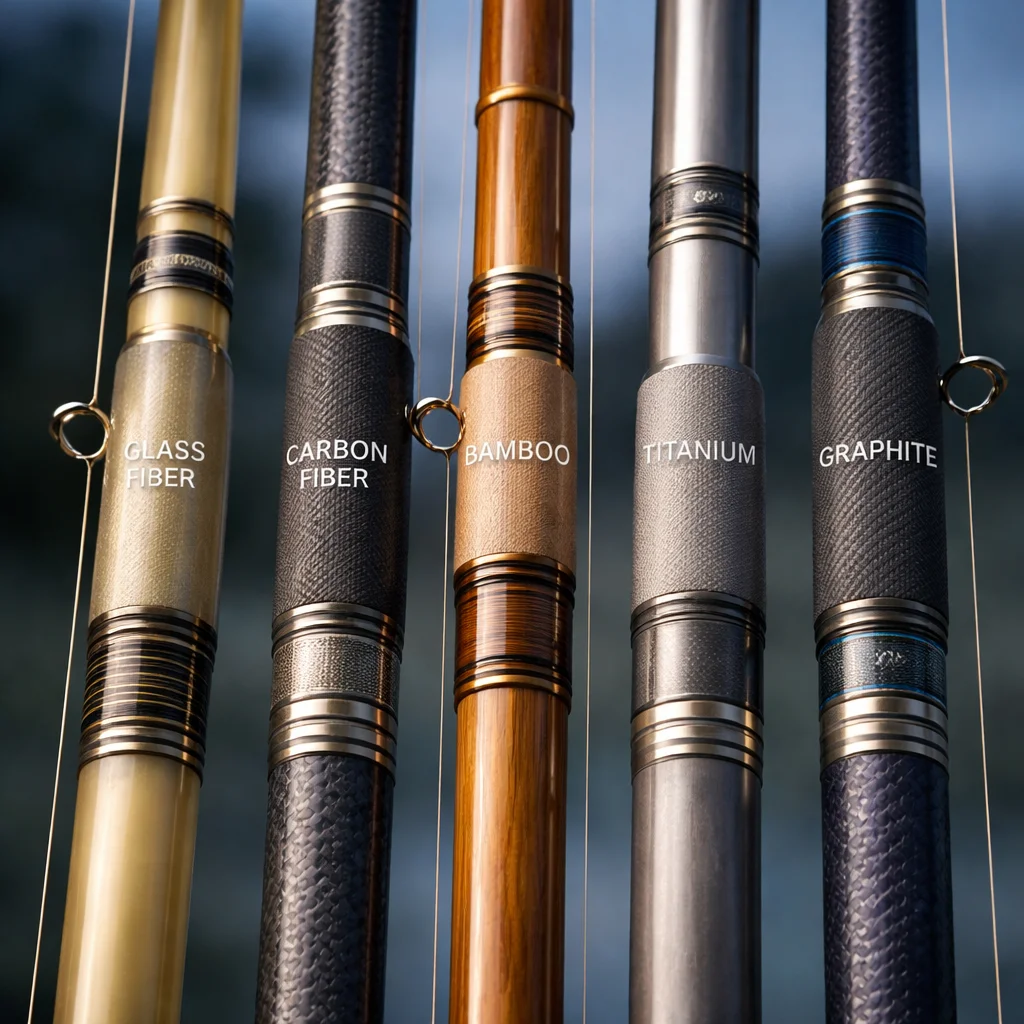
In conclusion, understanding fishing rod materials is vital for making an informed decision when selecting your fishing gear. Each material—be it fiberglass, graphite, composite, aluminum, or bamboo—offers unique advantages and disadvantages that cater to different fishing styles and preferences. By considering factors such as your budget, fishing techniques, and maintenance needs, you can find the perfect rod material that enhances your fishing experience.
Don’t hesitate to seek expert advice and explore customer reviews to gain real-world insights. Remember, the right fishing rod can make all the difference in your performance on the water. Test out different materials, understand the trade-offs between weight and strength, and enjoy the journey of finding the fishing rod that feels just right for you. Happy fishing!
