
Tips & Tricks
Fishing Safety Tips for Anglers
May
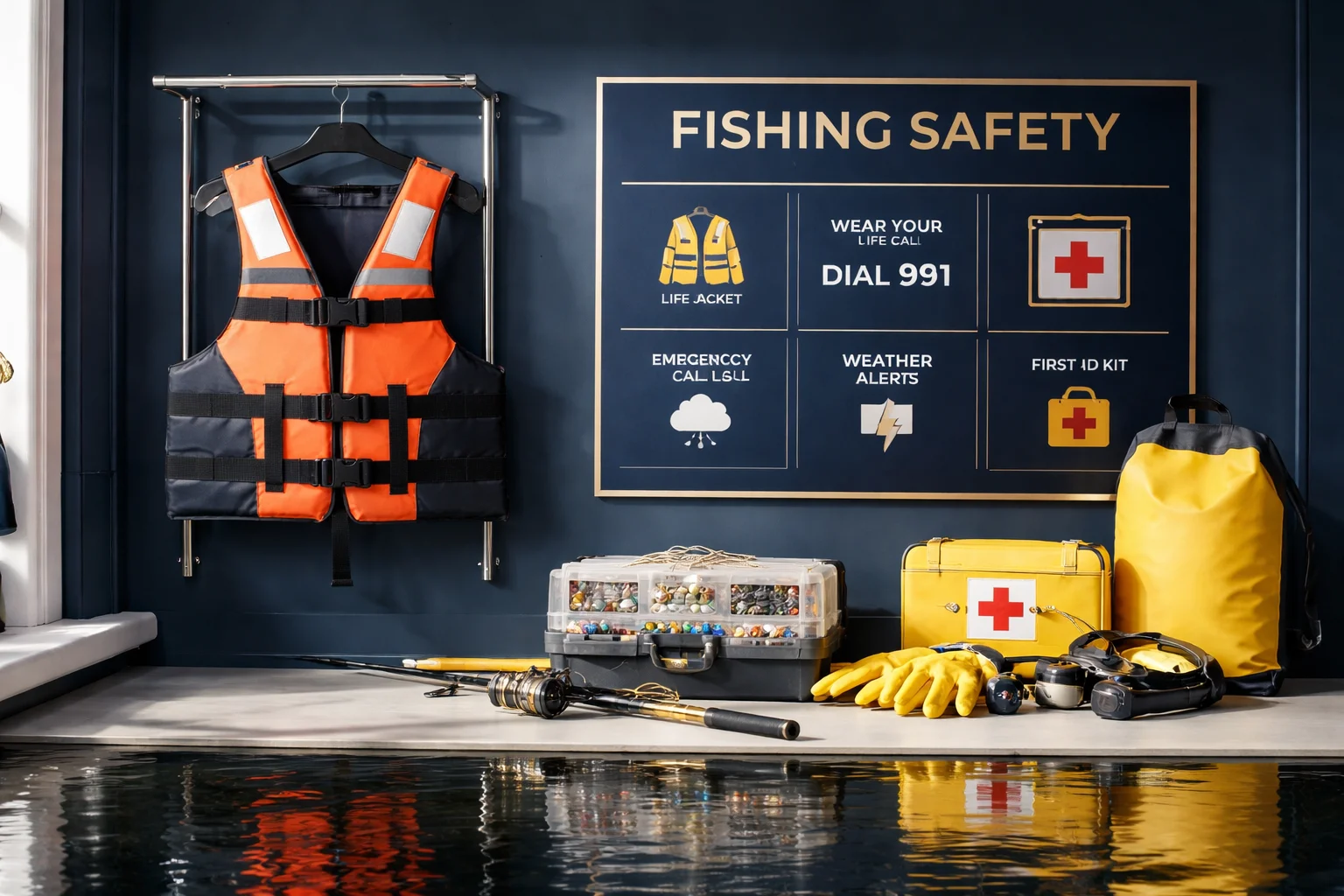
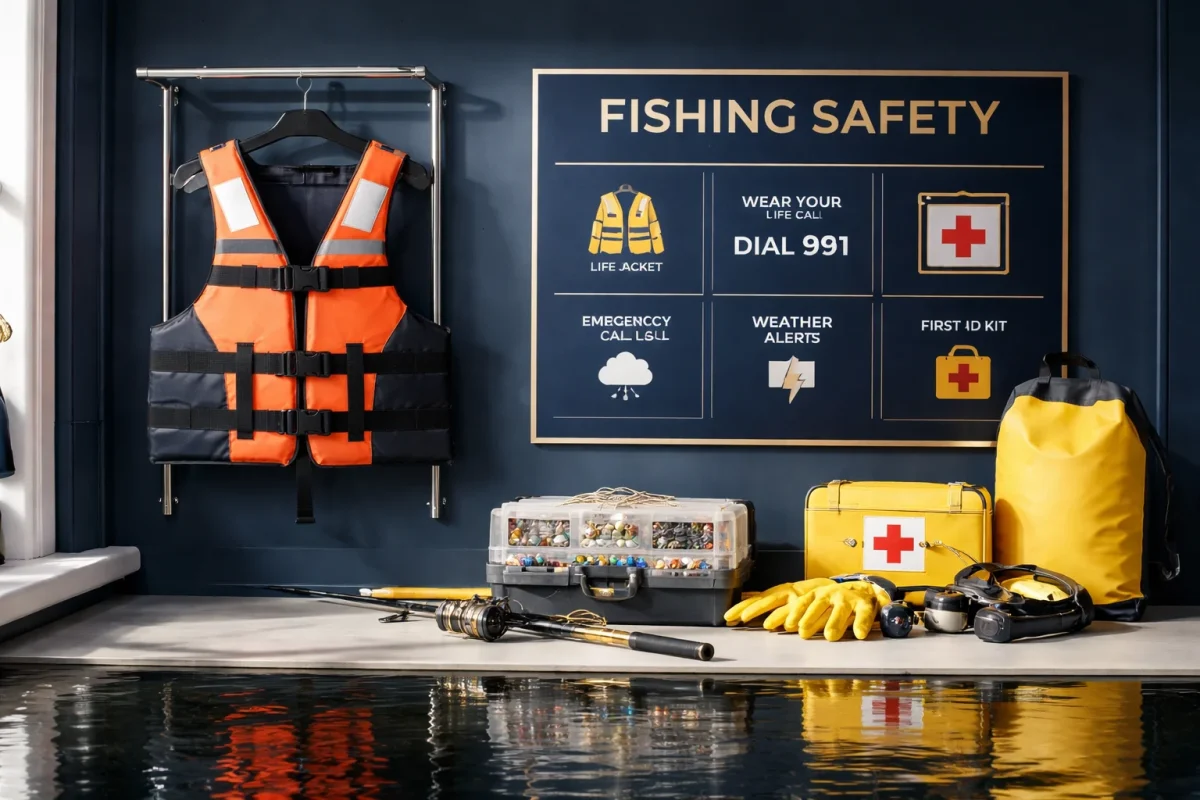
Fishing is not only a relaxing pastime but also an adventure that brings people closer to nature. However, as enjoyable as it is, fishing can pose various risks if proper safety measures aren’t taken. Understanding the importance of fishing safety is crucial for all anglers, especially beginners who may not be fully aware of the potential hazards that come with this beloved activity. The key to a successful fishing trip lies in planning, preparation, and awareness. By equipping yourself with the right knowledge and tools, you can ensure a safe and enjoyable experience on the water.
Safety is paramount in any outdoor activity, and fishing is no exception. Each year, numerous accidents occur due to neglecting safety protocols, leading to injuries or even fatalities. For instance, drowning is a significant risk for anglers who may find themselves in unexpected situations, such as capsizing or falling overboard. By prioritizing safety, you not only protect yourself but also set a positive example for fellow anglers. This guide will provide essential fishing safety tips that every angler should follow, covering everything from gear to emergency preparedness.
Understanding the Importance of Fishing Safety
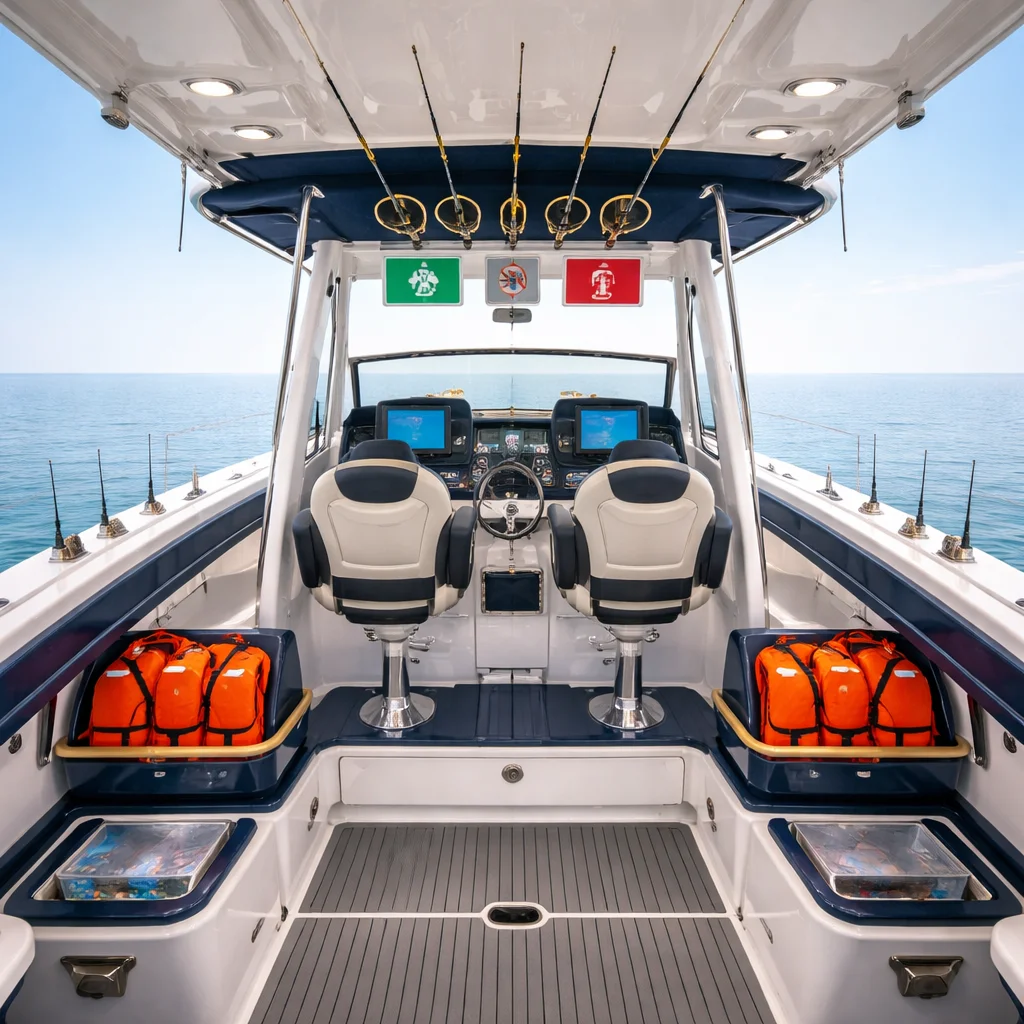
Fishing safety is an often-overlooked aspect of the sport, yet it plays a pivotal role in ensuring the well-being of anglers. Understanding the risks involved can help you take proactive steps to mitigate them. For instance, statistics show that a significant percentage of fishing-related accidents occur due to inadequate safety measures, such as failing to wear life jackets or not having a first aid kit on hand. Therefore, recognizing these risks and understanding their implications is the first step toward safer fishing experiences.
Moreover, being aware of fishing safety not only protects you but also enhances the overall quality of the fishing experience. When all participants prioritize safety, the atmosphere becomes more enjoyable and relaxed, allowing everyone to focus on the joy of fishing rather than worrying about potential dangers. By familiarizing yourself with safety practices, you contribute to a culture of responsibility that benefits the entire fishing community.
Essential Safety Gear for Anglers
Equipping yourself with the right safety gear is a fundamental aspect of fishing safety. A life jacket is perhaps the most critical item an angler can have, regardless of their swimming ability. Many drowning incidents occur because individuals fall into the water unexpectedly, and a life jacket can be the difference between life and death. It is essential to choose a properly fitting jacket and ensure it is Coast Guard approved for maximum safety.
In addition to life jackets, having a well-stocked first aid kit is vital for addressing any injuries that may occur while fishing. This kit should include items such as band-aids, antiseptic wipes, gauze, and any personal medications that you or your fishing companions may need. Regularly checking and replenishing your first aid kit can ensure that you are always prepared for minor injuries or emergencies. Other essential gear includes sun protection, such as sunglasses and sunscreen, and proper footwear to avoid slips and falls on wet surfaces.
Weather Considerations for Fishing Safety
The weather can significantly impact your fishing trip, and it is vital to check conditions before heading out. Sudden changes in weather can lead to dangerous situations, such as thunderstorms or high winds, which can create hazardous conditions on the water. Always consult a reliable weather forecast and be prepared to adjust your plans accordingly. If severe weather is predicted, consider postponing your trip to avoid unnecessary risks.
Furthermore, dressing appropriately for changing weather can enhance your safety and comfort while fishing. Layering your clothing allows you to adjust to fluctuating temperatures, keeping you warm and dry. For instance, wearing moisture-wicking base layers can help keep you dry if you sweat or if there is unexpected rain. Additionally, always bring a rain jacket and extra clothing, so you are prepared for whatever nature may throw at you.
Navigating Water Hazards and Wildlife
Anglers must be vigilant about water hazards, which can include submerged rocks, swift currents, and various aquatic life. Understanding how to identify and avoid these hazards is crucial for maintaining safety while fishing. For example, swift currents can easily sweep an unsuspecting angler off their feet, leading to dangerous situations. Always assess the water conditions before wading or fishing from a boat, and choose locations that are known to be safe.
Additionally, being aware of local wildlife is essential for ensuring your safety on the water. Wildlife encounters can range from harmless to dangerous, especially in areas where larger animals like bears or alligators are present. Familiarize yourself with the local fauna, including their behaviors and habitats, to reduce the risk of negative encounters. Carrying bear spray in bear country, for instance, can serve as a precautionary measure, while knowing how to respond to unexpected wildlife encounters is vital in maintaining safety for yourself and others.
Fishing Etiquette and Safety Practices
Practicing good fishing etiquette is not only respectful to fellow anglers but also contributes to overall safety on the water. Always be mindful of your surroundings and maintain a safe distance from other anglers to avoid accidents. Additionally, understanding and respecting fishing regulations is crucial for conservation efforts and the safety of all participants. Always adhere to local rules about catch limits and protected species, as this helps preserve the fishing environment for future generations.
Another important aspect of fishing etiquette is the principle of “leave no trace.” This means cleaning up after yourself and ensuring that your fishing area is left as you found it. Littering not only harms the environment but can also create hazards for both wildlife and fellow anglers. By practicing responsible fishing habits, you contribute to a safer and more enjoyable experience for everyone on the water.
Emergency Preparedness for Anglers
In any outdoor activity, being prepared for emergencies is paramount, especially in fishing where accidents can happen unexpectedly. Creating an emergency plan is a proactive step that every angler should take before heading out. This plan should include clear contacts for local emergency services, as well as a designated meeting point in case of separation. Sharing this plan with your fishing companions ensures that everyone is aware of the steps to take in an emergency.
Moreover, keeping a whistle or other signaling device can greatly enhance your safety in emergencies. These devices can attract attention if you find yourself in distress, making it easier for rescuers to locate you. Additionally, knowing how to respond to aquatic hazards, such as capsizing or falling overboard, can save your life. Practice safety drills with your companions to ensure everyone knows what to do in case of an emergency, reinforcing the importance of preparedness.
Health Precautions While Fishing
Maintaining your health while fishing is another critical aspect of safety. Staying hydrated is essential for preventing fatigue, especially during hot weather or when spending long hours on the water. Dehydration can impair your focus and response time, increasing the risk of accidents. Always bring plenty of water and take regular breaks to hydrate, ensuring you remain alert and ready for any unexpected situations.
Additionally, take health precautions to prevent sunburn and heat-related illnesses. Wearing sunscreen, protective clothing, and a wide-brimmed hat can shield you from harmful UV rays while also helping to regulate your body temperature. Being mindful of your health not only enhances your fishing experience but also ensures you are in optimal condition to respond to any emergencies that may arise.
Maintaining Personal Safety on the Water
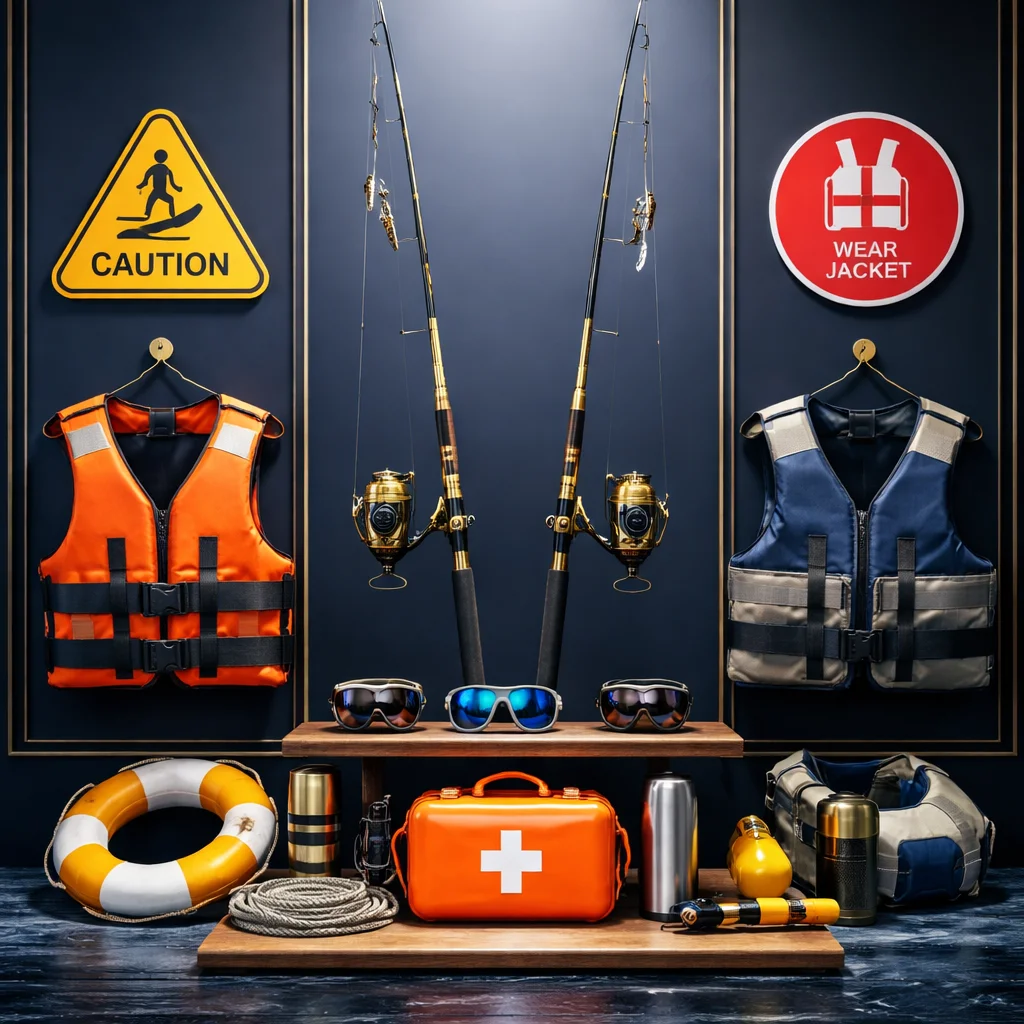
Personal safety on the water encompasses various aspects, from using the buddy system to avoiding alcohol consumption. When fishing in remote areas, it is wise to use a buddy system, ensuring that you are never alone in unfamiliar waters. Having a companion can provide assistance in case of an emergency and makes the experience more enjoyable. Always inform someone on land about your fishing plans, including your expected return time, to ensure someone is aware of your whereabouts.
Furthermore, avoiding alcohol consumption while fishing is crucial for maintaining focus and ensuring safety. Alcohol can impair judgment and reaction times, increasing the likelihood of accidents. By prioritizing safety over recreational substances, you enhance your overall fishing experience and reduce the risk of dangerous situations. Remember, staying safe while fishing is about being responsible and taking the necessary precautions to protect not only yourself but also those around you.
