
Tips & Tricks
Essential Checklist for Your Next Fishing Trip
May
Fishing is more than just a pastime; it’s an adventure that brings you closer to nature and offers the thrill of catching your own meal. However, to fully enjoy this experience, it’s crucial to be well-prepared. Understanding the essentials of a fishing trip can significantly enhance your chances of a successful outing. This comprehensive trip essentials checklist covers everything you need to consider when preparing for your fishing adventure, from selecting the right gear to ensuring your safety while you’re out on the water.
The first step in preparing for a fishing trip is understanding the basics of fishing gear. Choosing the right fishing rod is vital and should be based on your skill level and the type of fish you aim to catch. A novice angler might benefit from a medium-action rod that provides versatility, while someone with more experience might opt for a specialized rod for specific fishing techniques. Additionally, investing in quality reels that match your fishing style is essential. A well-balanced setup can make a significant difference in your fishing success, reducing fatigue and improving your casting distance.
Understanding the Basics of Fishing Gear
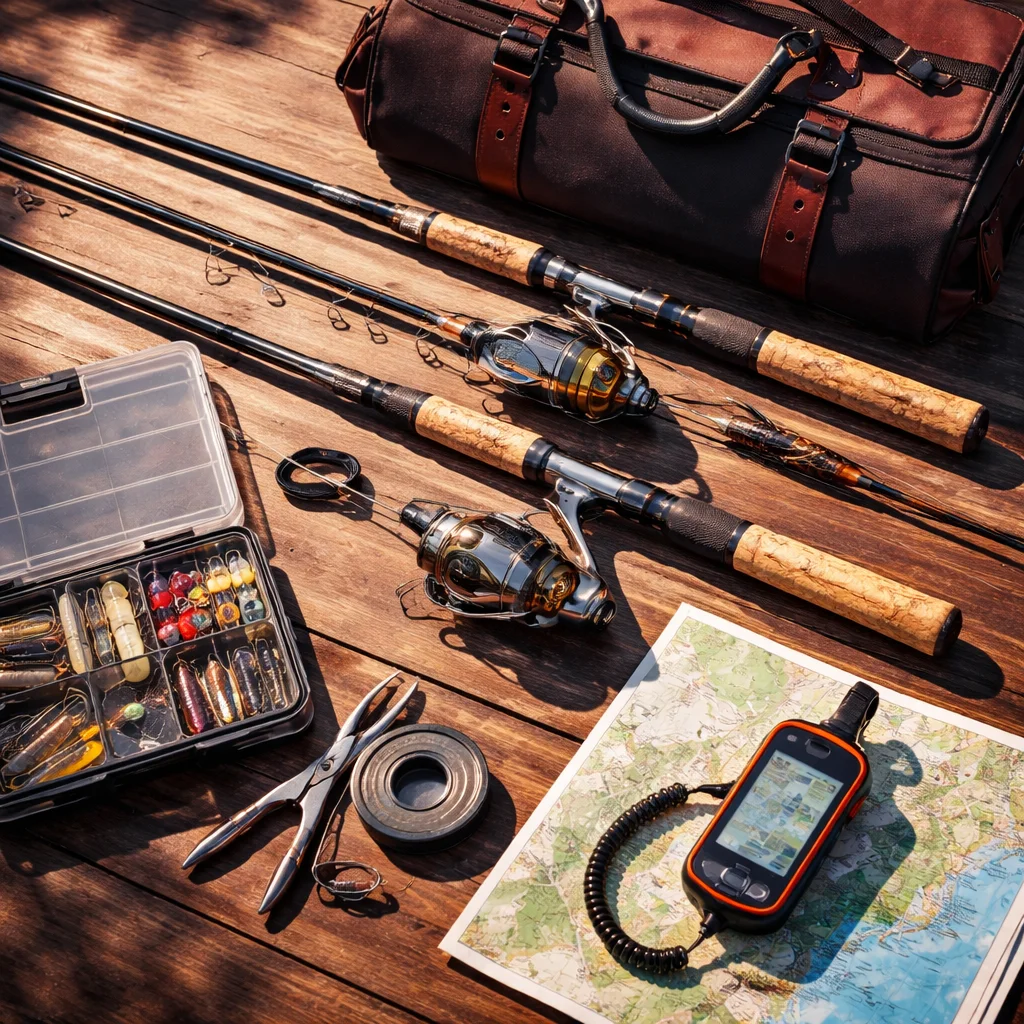
Once you have the right rod and reel, the next step is to familiarize yourself with various fishing tackle options. Essential fishing tackle includes hooks, lines, sinkers, and bobbers. Hooks come in different sizes and types, such as circle hooks or treble hooks, and should be chosen based on the fish species you are targeting. For instance, larger fish like bass may require stronger hooks, while smaller fish can be caught using lighter options. The fishing line you select also plays a critical role; you can choose between monofilament, braided, or fluorocarbon lines depending on your fishing environment and conditions.
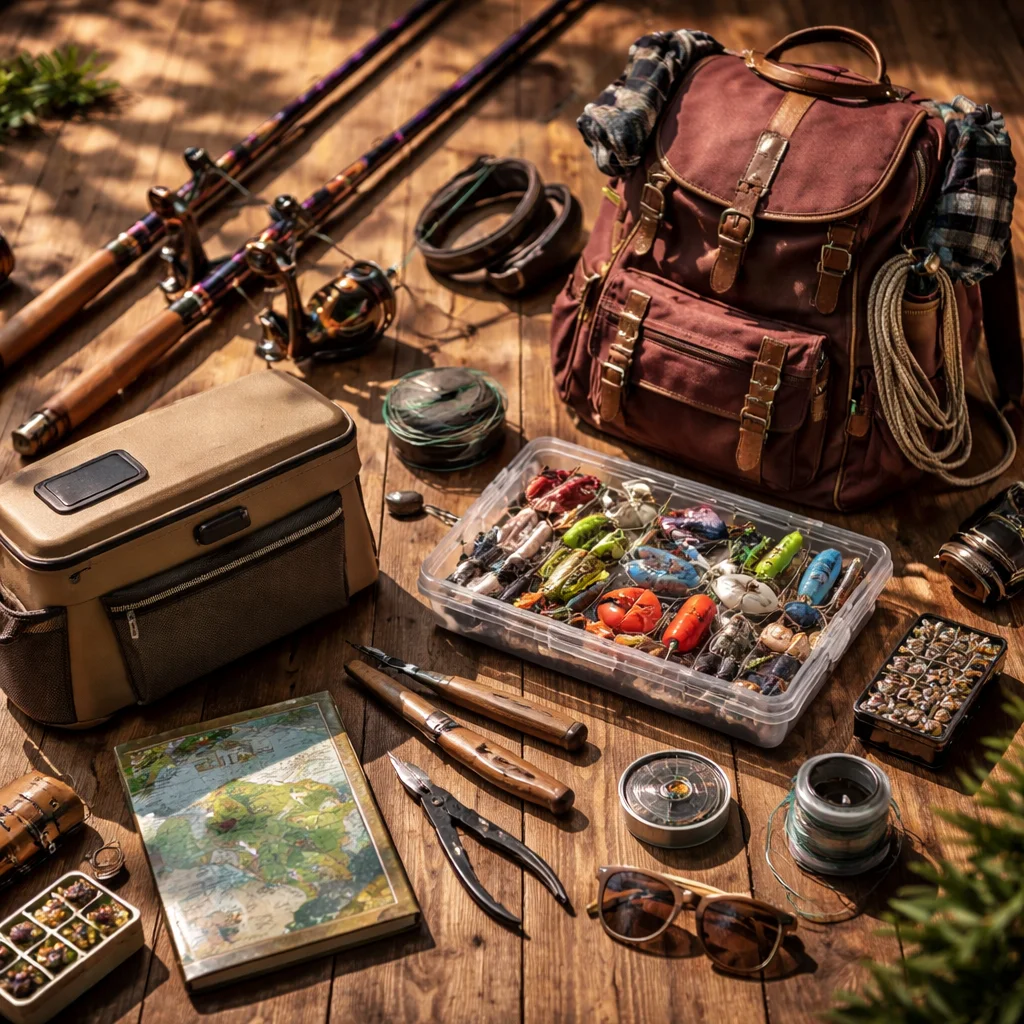
Don’t overlook the importance of selecting appropriate bait and lures. Live bait, such as worms or minnows, can be highly effective, but artificial lures can also attract fish successfully when used correctly. Understanding the feeding habits of your target species can guide your bait selection. For example, using a spinner bait or topwater lure can entice predatory fish during specific times of the day. By ensuring you have a variety of tackle and bait options, you can adapt your approach based on the conditions you encounter.
Clothing and Personal Items
When it comes to clothing, dressing in layers is essential to adapt to changing weather conditions. Fishing trips often start early in the morning, and temperatures can vary significantly from dawn to midday. A moisture-wicking base layer can keep you dry, while a warm insulating layer and a waterproof outer layer will protect you from the elements. Additionally, don’t forget sun protection; wearing hats, sunglasses, and applying sunscreen can safeguard your skin from harmful UV rays, especially during long hours on the water.
Personal items also play a significant role in your comfort and safety while fishing. A multi-tool can be invaluable for various fishing needs, from cutting line to making quick repairs on your gear. Having a reliable fishing knife or pliers handy can facilitate the process of removing hooks from fish or cutting line, making your trip more enjoyable. Furthermore, consider bringing a lightweight, portable chair or a cushion to enhance your comfort while waiting for the fish to bite.
Essential Fishing Tackle
In addition to the basic tackle mentioned earlier, it’s crucial to have a well-organized tackle box to keep your gear accessible. An organized tackle box allows you to find what you need quickly, minimizing downtime during your fishing trip. Store your lures, hooks, and other tackle in separate compartments to avoid tangling and ensure easy access. You can also use waterproof bags or containers for particularly sensitive equipment to protect them from moisture, which can cause rusting or damage.
Moreover, consider your fishing environment when selecting your tackle. Freshwater fishing typically requires different tackle than saltwater fishing. For instance, if you’re planning to fish in saltwater, you might need corrosion-resistant tackle. Additionally, understanding local fishing regulations regarding tackle can help you avoid fines and ensure sustainable fishing practices. Familiarizing yourself with these regulations beforehand can save you time and trouble while out on the water.
Safety Gear and First Aid
Safety should be a top priority on any fishing trip. Accidents can happen, so it’s essential to pack a first aid kit for minor injuries. A basic first aid kit should include band-aids, antiseptic wipes, gauze, and adhesive tape. If you’re fishing in remote areas, consider adding items such as snake bite kits or sting relief for additional safety. Knowledge of basic first aid techniques can also be beneficial, as it prepares you for unforeseen circumstances and enhances your confidence on the trip.
In addition to a first aid kit, wearing personal flotation devices (PFDs) while on a boat is critical for safety. Even if you are a strong swimmer, unexpected situations can occur, making it essential to have a life jacket readily available. Familiarizing yourself with the water conditions and weather forecast can also help you avoid dangerous situations, allowing you to enjoy your fishing trip without unnecessary risks.
Food and Hydration
No fishing trip is complete without proper nourishment. Staying hydrated is crucial, especially on warm days when you may be exposed to the sun for extended periods. Pack sufficient water supplies to keep you hydrated throughout the day, and consider bringing a cooler to store drinks and perishable snacks. Dehydration can lead to fatigue and decreased focus, which can negatively impact your fishing experience.
Planning meals ahead and packing snacks for energy is also vital. Choose easy-to-carry, non-perishable snacks like nuts, protein bars, or dried fruit. These snacks can provide a quick energy boost while you’re waiting for the fish to bite. If you prefer a heartier meal, consider packing sandwiches or wraps that can withstand a few hours without refrigeration. Preparing meals in advance ensures you have nutritious options available, allowing you to concentrate on fishing rather than worrying about food.
Navigation and Communication Tools
Being prepared for navigation and communication is essential for a successful fishing trip, especially if you’re venturing into unfamiliar waters. Bringing a GPS or map can help you navigate effectively, ensuring you stay on course and can find your way back. Familiarizing yourself with the fishing area beforehand can make a significant difference in your trip’s success, allowing you to identify potential fishing hotspots.
Additionally, ensuring you have a fully charged phone for emergencies is critical. Cell service may be limited in remote areas, but having a charged phone can be useful for emergencies or important communication. Consider investing in a portable charger to keep your devices powered throughout the day. Always inform someone about your planned route and expected return time, as this is a critical safety measure when fishing alone or in remote areas.
Storage Solutions for Your Gear
Effective storage solutions for your gear are essential for keeping everything organized and functional during your fishing trip. Consider using waterproof bags or containers to protect your tackle and equipment from moisture. Keeping your gear dry not only prolongs its lifespan but also ensures you have the tools you need readily available. Additionally, collapsible storage solutions can save space in your vehicle and make transportation easier.
Organizing your tackle box is just as important as packing it. Make it a habit to sort and organize your tackle before each trip. Group similar items together, such as lures, hooks, and lines, and label compartments for easy access. An organized tackle box can save you time and frustration while fishing, allowing you to focus on what matters most: catching fish and enjoying the experience.
Environmental Considerations
As anglers, we have a responsibility to protect the environment and preserve our natural resources. When fishing, consider eco-friendly practices that minimize your impact on the environment. This includes using biodegradable bait and avoiding the use of lead weights, which can harm aquatic life. Additionally, always practice catch-and-release fishing when targeting species that are overfished or vulnerable.
Studying local fishing regulations and licenses is another critical aspect of responsible fishing. Many areas require specific licenses or permits to fish legally, and understanding these regulations helps protect fish populations and habitats. Before you leave for your trip, double-check your fishing license to ensure you are compliant with local laws. Being a responsible angler ensures that fishing can be enjoyed by future generations.
Preparing for Different Fishing Locations
Different fishing locations require unique considerations and preparations. Freshwater fishing in lakes, rivers, or streams often necessitates different gear and bait compared to saltwater fishing. Before your trip, research the specific location you are visiting; understanding the local fish species, water conditions, and best fishing practices can enhance your overall experience. For example, if you plan on fishing in a river, knowing the current and water depth can help you choose the right gear and techniques.
Moreover, consider the seasonal patterns of the fish species you are targeting. Some species are more active during specific times of the year, and understanding these patterns can significantly increase your chances of a successful catch. Being aware of local fishing reports and conditions can also provide valuable insights into the best times to fish and what techniques are most effective.
Final Checklist Before Departure
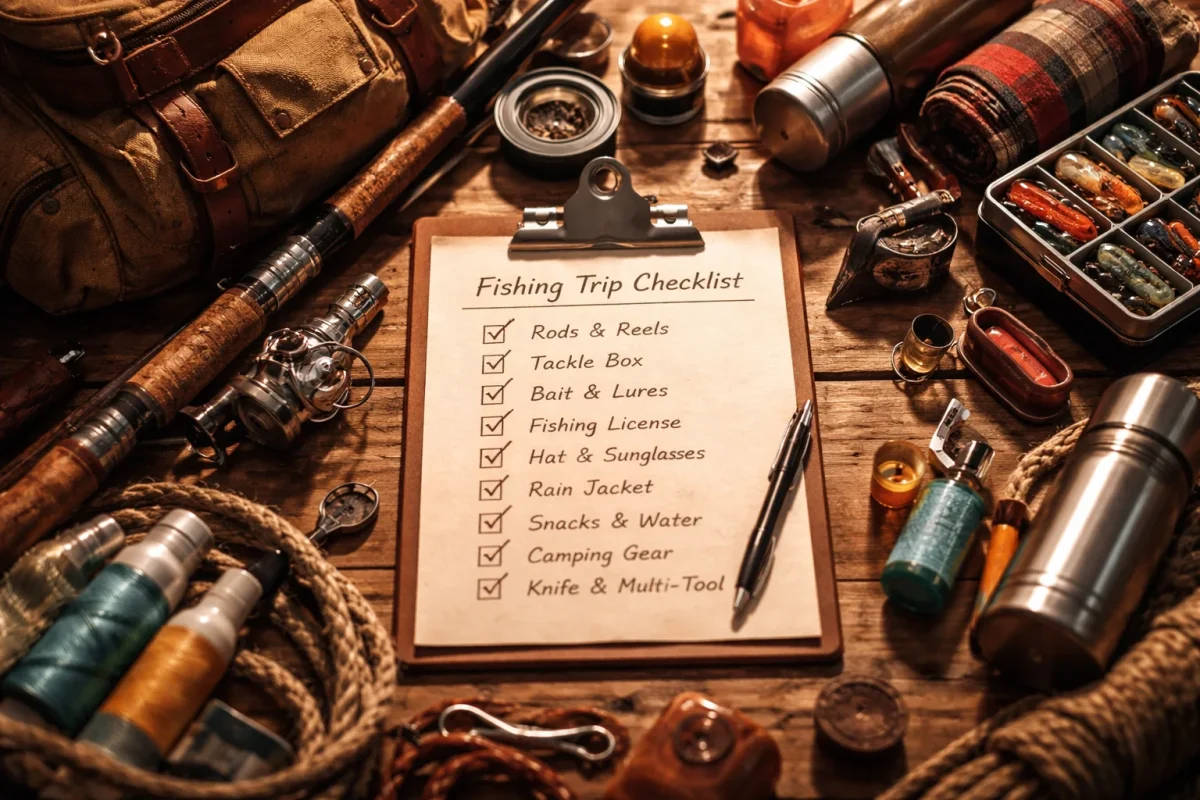
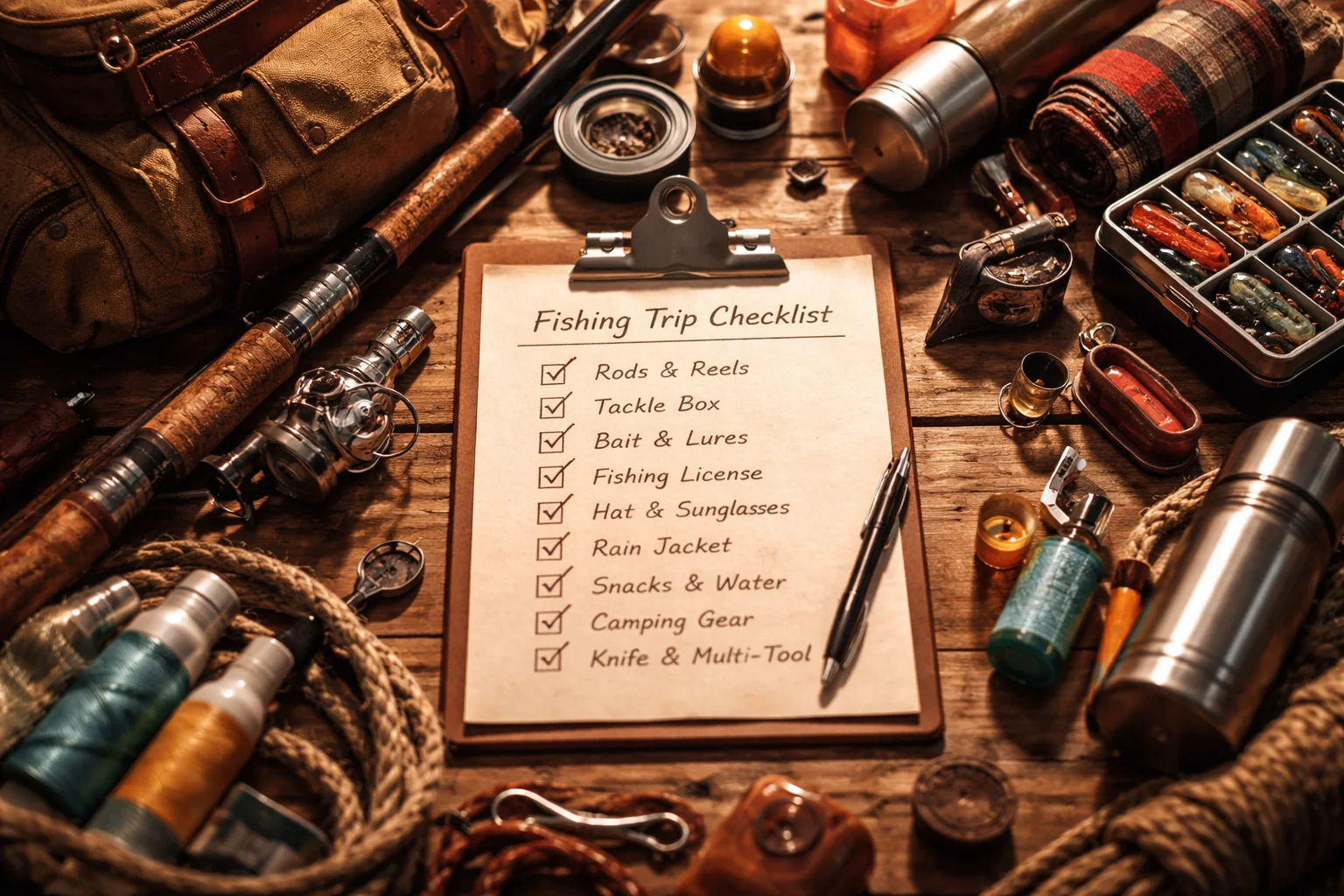
As you prepare for your fishing trip, it’s essential to review your checklist the day before departure. Take the time to ensure you have packed all necessary items, and double-check that your gear is in good working condition. This includes checking your fishing rods and reels for any damage and ensuring your tackle is organized. A thorough review of your trip essentials checklist can help you avoid forgetting critical items and prevent any last-minute stress.
Remember to evaluate the weather forecast before you leave; this will help you pack accordingly and make any necessary adjustments to your plans. Additionally, informing a friend or family member about your trip details can provide an extra layer of safety. With a well-prepared checklist and a clear plan in mind, you’ll be set for a successful and enjoyable fishing trip.
