
Educational
Fishing Regulations and Licensing Explained
Jun
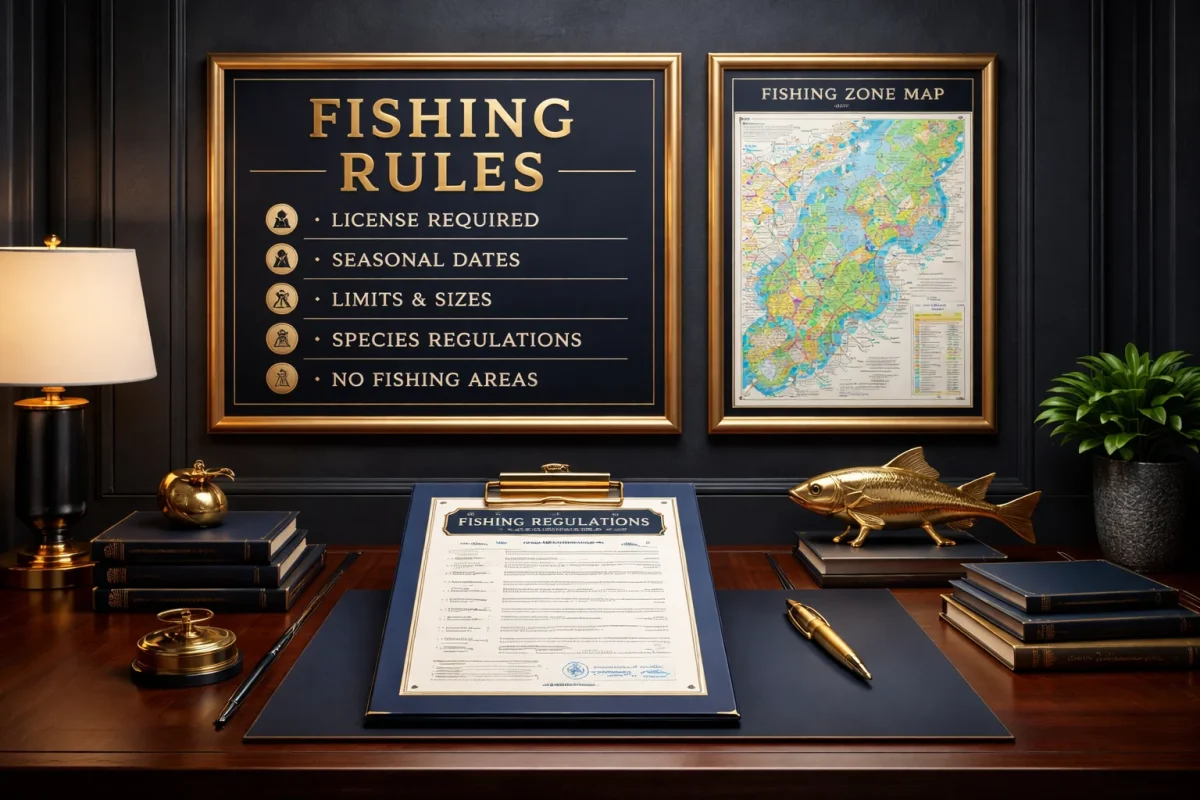
Fishing is not only a popular recreational activity but also a vital part of many cultures and economies worldwide. However, with the joy of fishing comes the responsibility of adhering to specific regulations that govern this cherished pastime. Understanding fishing regulations is crucial for every angler, whether they’re seasoned veterans or beginners stepping into the waters for the first time. In this comprehensive guide, we will delve into the intricacies of fishing regulations, the importance of licensing, and provide you with essential tips to stay compliant. By the end of this article, you will have a clear understanding of how to fish legally and sustainably, ensuring the preservation of aquatic ecosystems for future generations.
The primary purpose of fishing regulations is to promote sustainable fishing practices that protect fish populations and their habitats. These regulations can vary significantly from region to region and are often tailored to the specific needs of local ecosystems. For instance, certain areas may have restrictions on fishing during breeding seasons to allow fish populations to recover, while others may enforce catch limits to prevent overfishing. Understanding these nuances not only helps you comply with the law but also fosters a deeper respect for the environment and the resources it provides.
Understanding Fishing Regulations
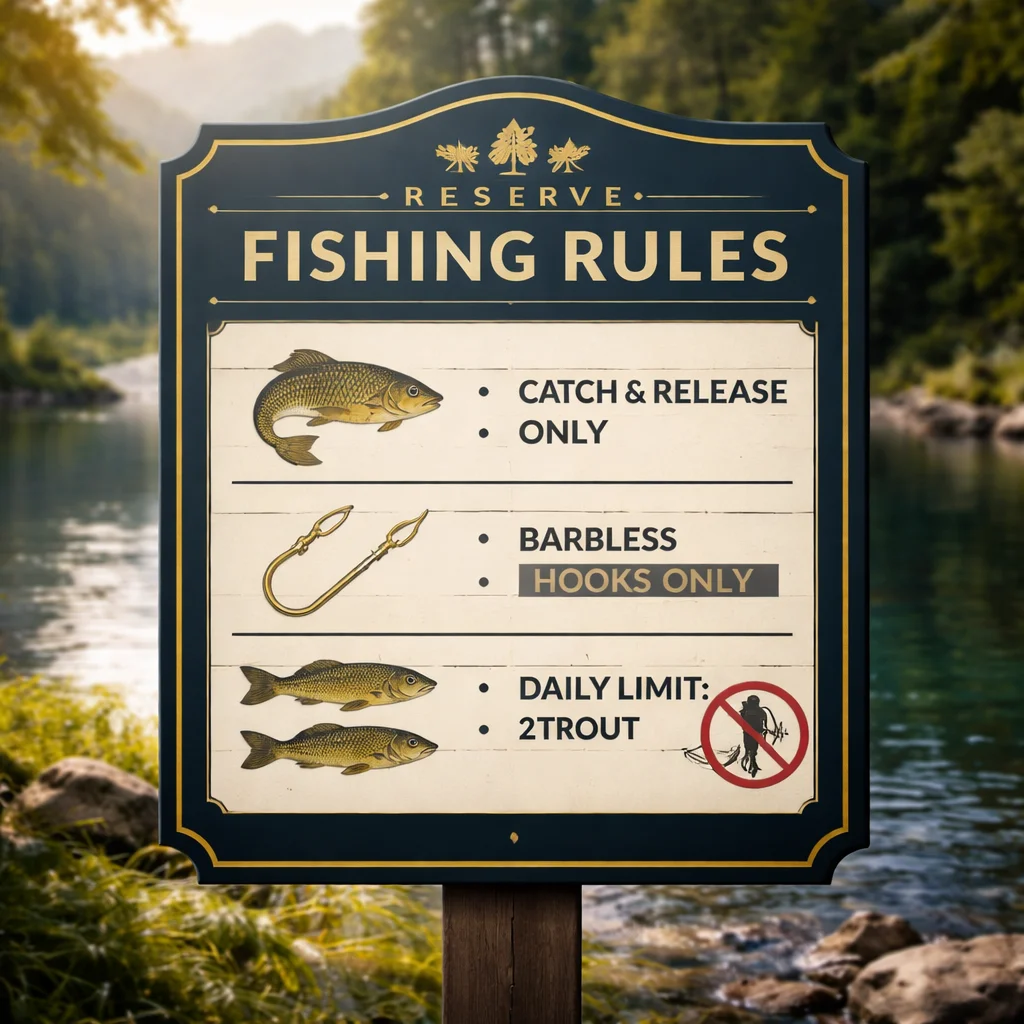
Fishing regulations encompass a wide range of rules and laws that govern where, when, and how fishing can occur. These regulations are set forth by local, state, and federal authorities to ensure that fishing practices are sustainable and that fish populations remain healthy. Anglers should be aware that these regulations can change frequently, and staying informed is essential for adhering to the law. For example, some regions may implement temporary fishing bans following a significant decline in fish numbers or during periods of environmental stress.
In addition to protecting fish populations, fishing regulations also aim to safeguard the habitats that support aquatic life. This includes regulations related to the use of certain fishing gear, restrictions on fishing in designated protected areas, and guidelines for safe boating practices. By understanding these regulations, anglers can contribute to the conservation of aquatic ecosystems while enjoying their fishing experiences. Furthermore, a solid grasp of the regulations demonstrates a commitment to responsible fishing practices, which can foster goodwill among fellow anglers and conservationists alike.
Importance of Fishing Licenses
Obtaining a fishing license is often a legal requirement for anyone wishing to fish in public waters. Fishing licenses serve several important purposes, including regulating fishing activities, funding conservation efforts, and promoting responsible angling practices. The fees collected from fishing licenses are typically reinvested into local fisheries management programs, habitat restoration projects, and educational initiatives aimed at promoting sustainable fishing. Therefore, when you purchase a fishing license, you are not only complying with the law but also contributing to the health of the aquatic ecosystems you enjoy.
Moreover, fishing licenses help authorities monitor fish populations and enforce regulations more effectively. By requiring anglers to obtain licenses, wildlife agencies can track fishing activities and gather valuable data that informs future management decisions. This data is crucial for ensuring that fishing practices remain sustainable and that fish populations are not overexploited. As an angler, having a valid fishing license demonstrates your commitment to responsible fishing and helps ensure the long-term viability of fish populations for generations to come.
Types of Fishing Licenses
Fishing licenses come in various types, each designed to cater to different fishing needs and preferences. The most common categories include recreational licenses, which are intended for individuals fishing for leisure; commercial licenses, which allow individuals or businesses to catch fish for sale; and temporary licenses, which are often issued for short periods, such as a weekend or a specific event. Understanding the differences between these licenses is essential for compliance and ensuring that you are fishing legally.
Recreational fishing licenses are usually the most sought after, as they enable anglers to fish in designated public waters. These licenses can vary in terms of duration, with options for annual, seasonal, or even lifetime licenses available in many regions. For those looking to fish commercially, obtaining a commercial fishing license may involve more stringent requirements, such as demonstrating knowledge of sustainable practices and adherence to specific regulations regarding catch limits. Temporary licenses are ideal for casual anglers or tourists, allowing them to enjoy fishing without committing to a long-term license.
Where to Obtain Fishing Licenses
Acquiring a fishing license is a straightforward process, and it can be done through various channels, depending on your location. Many states and provinces offer online platforms where anglers can easily apply for and purchase their licenses. This convenience allows you to obtain your license from the comfort of your home, eliminating the need to visit a physical location. Additionally, local agencies such as wildlife offices, tackle shops, and sporting goods stores often sell fishing licenses directly to the public, making it accessible for anyone looking to fish legally.
When applying for a fishing license, it’s essential to have the necessary information at hand, including identification, residency status, and any required documentation, such as proof of completion of a fishing education course if mandated. Some states may also offer discounts for seniors, veterans, or youth anglers, making fishing more accessible to a broader audience. By understanding where and how to obtain your fishing license, you can ensure that you are fully compliant with local fishing regulations from the very start of your fishing journey.
Common Fishing Regulations
Fishing regulations can encompass a wide range of rules designed to promote sustainable practices and protect aquatic ecosystems. Common regulations often include catch limits, which dictate the maximum number of fish an angler is allowed to keep during a fishing trip. These limits are established based on scientific assessments of fish populations and are crucial for preventing overfishing. For example, if a specific species of fish is experiencing a population decline, authorities may impose stricter catch limits to allow for recovery.
Another significant aspect of fishing regulations involves protected species. Certain fish species may be designated as endangered or threatened, and fishing for these species is strictly prohibited to ensure their survival. Anglers should familiarize themselves with the species that are protected in their fishing areas to avoid unintentional violations. Furthermore, regulations often include restrictions on the types of fishing gear that can be used, such as limits on net sizes or the use of specific bait, all aimed at minimizing environmental impacts and ensuring fair fishing practices.
Seasonal Regulations and Limits
Seasonal regulations play a crucial role in maintaining healthy fish populations and their habitats. Many regions impose specific fishing seasons that limit when certain species can be targeted. For instance, some species may have closed seasons during their spawning periods to allow populations to recover and reproduce. Understanding these seasonal regulations is vital for anglers to ensure they are fishing legally and ethically. Ignoring these regulations can lead to significant penalties, including fines and loss of fishing privileges.
Additionally, seasonal limits can vary based on geographic location and species, so it’s essential for anglers to stay informed about the specific regulations that apply to their chosen fishing grounds. Local wildlife agencies often provide updated information regarding fishing seasons and any changes that may occur. By adhering to seasonal regulations, anglers contribute to the sustainability of fish populations and the overall health of aquatic ecosystems.
Size and Bag Limits
Size and bag limits are integral components of fishing regulations, designed to ensure that fish populations remain healthy and sustainable. Size limits specify the minimum and sometimes maximum size of fish that can be legally harvested. These limits are established based on biological data, taking into account the growth rates of different species and the need for mature fish to spawn successfully. For example, if a species has a minimum size limit of 12 inches, any fish caught below this size must be released immediately to promote population growth.
Bag limits, on the other hand, dictate the total number of fish an angler is allowed to keep in a single day or fishing trip. These limits vary by species and are critical in preventing overfishing. For instance, if the bag limit for a specific species is set at five fish per day, any angler caught keeping more than this limit may face fines or other penalties. By adhering to size and bag limits, anglers play an essential role in supporting the long-term health of fish populations and ensuring that future generations can enjoy the sport of fishing.
Special Fishing Permits
In certain cases, anglers may need to obtain special fishing permits in addition to their regular fishing licenses. These permits are often required for specific types of fishing activities, such as fishing in designated protected areas, targeting specific species, or participating in special events like fishing tournaments. Understanding when a special permit is necessary is crucial for compliance and avoiding potential legal issues.
Special permits may also come with additional regulations or requirements, such as mandatory reporting of catch data or adherence to specific fishing techniques. For example, anglers participating in a catch-and-release tournament may be required to use specific gear to minimize stress on the fish. By obtaining the appropriate permits and following associated regulations, anglers contribute to the conservation of fish populations and the preservation of aquatic habitats.
Consequences of Violating Regulations
Violating fishing regulations can have serious consequences for both the individual angler and the environment. Penalties for non-compliance can range from fines and citations to the suspension of fishing privileges. In more severe cases, particularly egregious violations such as poaching or targeting protected species can result in criminal charges, leading to significant legal repercussions. These consequences not only affect the violator but also have broader implications for fish populations and the ecosystems they inhabit.
Moreover, when anglers violate fishing regulations, it undermines the efforts of those who engage in responsible fishing practices and contributes to the decline of fish populations. Over time, this can lead to stricter regulations and limitations on fishing opportunities for everyone. Therefore, understanding and adhering to fishing regulations is essential not only for individual anglers but also for the health of aquatic ecosystems as a whole. By fishing responsibly, you can help ensure that fishing remains a viable activity for future generations.
Tips for Staying Compliant
Staying compliant with fishing regulations requires diligence and a proactive approach. One of the most effective ways to ensure compliance is to familiarize yourself with local regulations before embarking on any fishing trips. Many wildlife agencies provide resources, including websites and brochures, detailing the regulations that apply to specific areas and species. Additionally, keeping a copy of your fishing license and any relevant permits on hand while fishing is a good practice to avoid potential disputes with authorities.
Another useful tip is to engage with local fishing communities and organizations. Many fishing clubs and organizations offer resources, workshops, and updates on changes to regulations. By participating in these communities, you can stay informed about the latest fishing laws and build relationships with other anglers who share your passion. Furthermore, consider taking a fishing education course, which can provide valuable insights into sustainable practices and help you become a more responsible angler.
Resources for Anglers
For anglers seeking to stay informed about fishing regulations, numerous resources are available. Local wildlife agencies are often the best starting point, as they provide up-to-date information about regulations, licensing requirements, and seasonal changes. Many agencies have websites that offer downloadable resources, including regulation guides and contact information for local offices.
In addition to government resources, local fishing clubs and organizations can be invaluable for anglers looking to stay compliant. These groups often host events, provide educational materials, and offer networking opportunities with experienced anglers. Online forums and social media groups dedicated to fishing can also serve as platforms for sharing information and discussing regulatory updates, helping you stay connected with the fishing community.
Final Thoughts on Fishing Regulations
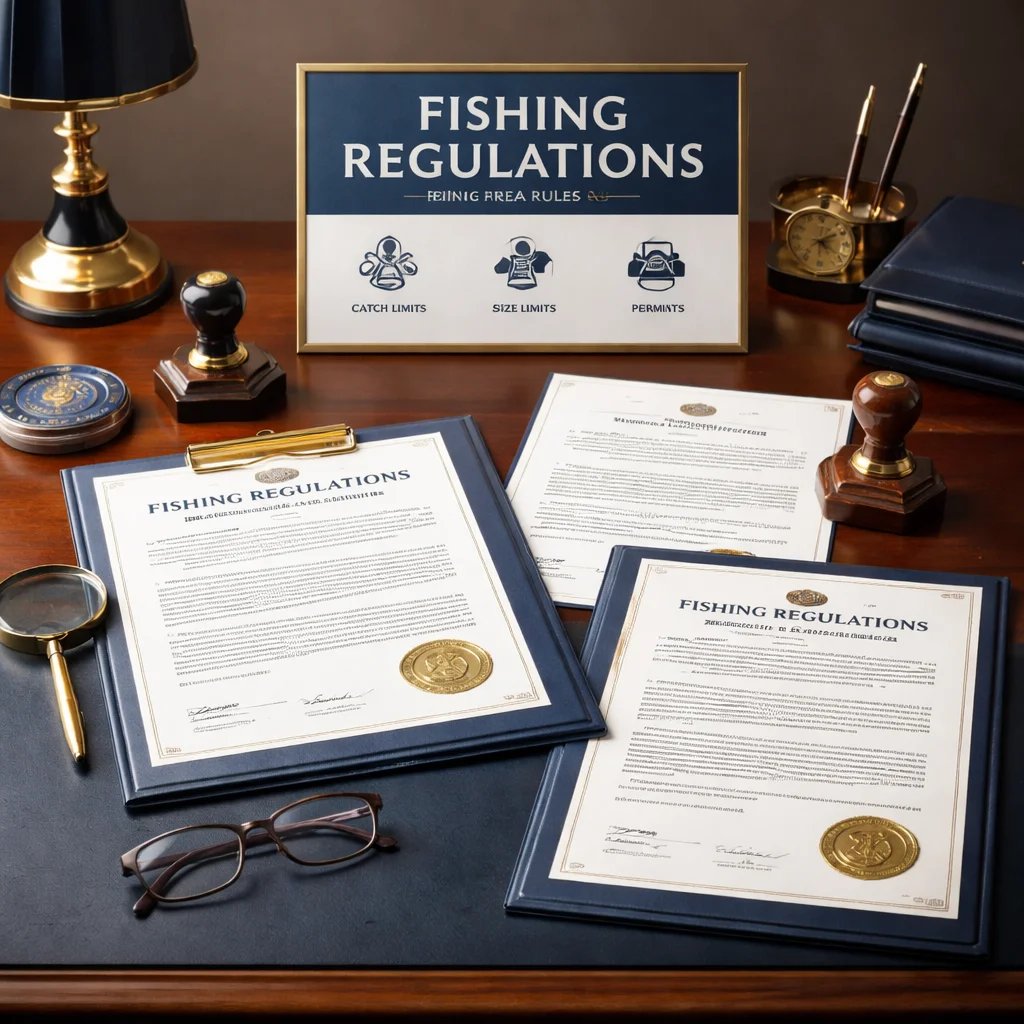
Understanding fishing regulations is essential for every angler aiming to enjoy the sport responsibly and sustainably. By familiarizing yourself with licensing requirements, seasonal regulations, size and bag limits, and the importance of special permits, you can ensure that your fishing practices align with legal and ethical standards. Moreover, being aware of the consequences of violating regulations underscores the importance of compliance for both individual anglers and the health of aquatic ecosystems.
As you embark on your fishing adventures, remember that knowledge is key. Stay informed about local regulations, engage with the fishing community, and prioritize sustainable practices. By doing so, you not only protect the environment but also contribute to the long-lasting enjoyment of fishing for generations to come. Whether you’re casting a line for the first time or are a seasoned angler, understanding fishing regulations will enhance your fishing experience and ensure that this beloved pastime can be enjoyed for years to come.
