
Educational
How to Use Fishing Electronics: A Comprehensive Guide
May
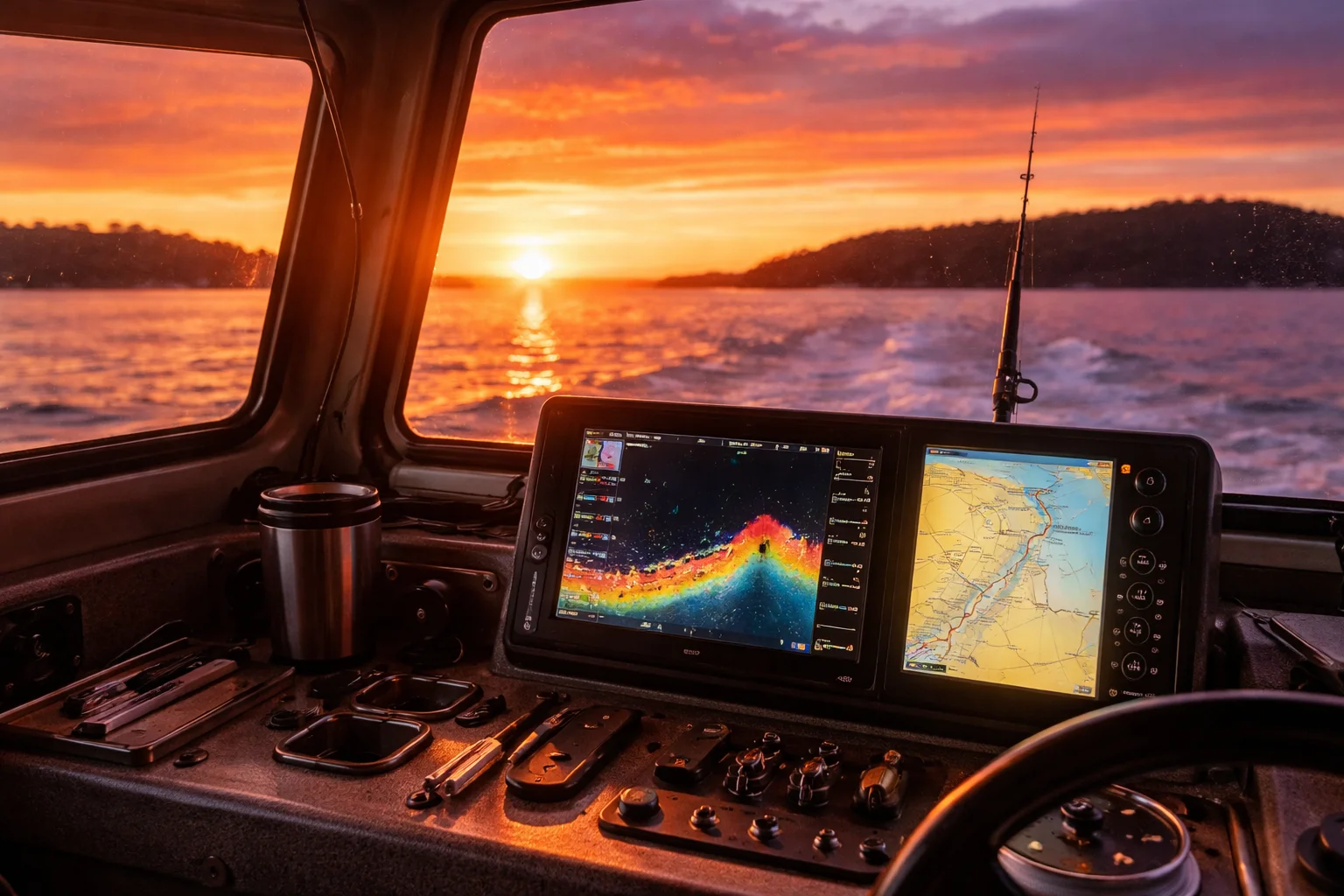
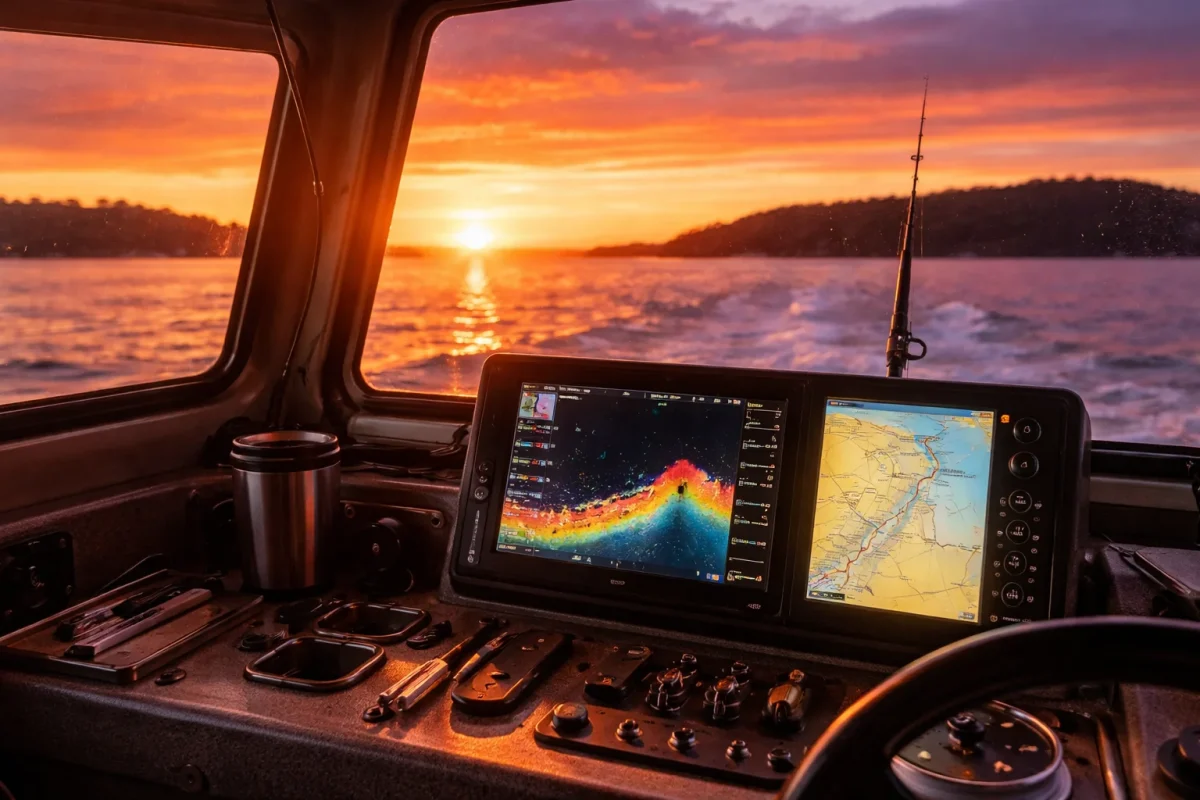
Fishing electronics have revolutionized the way anglers approach their craft, providing real-time data that can significantly enhance the fishing experience. Whether you’re a seasoned pro or an intermediate angler looking to up your game, understanding how to effectively use these tools is essential. Fishing electronics encompass a variety of devices including fish finders, sonar systems, and GPS devices, each designed to assist you in locating fish and navigating water bodies. This guide aims to break down the complexities of fishing electronics, offering insights into their types, functionalities, and best practices for use.
The first step in mastering fishing electronics is to understand the various types available on the market. Fish finders are one of the most common tools and utilize sonar technology to detect fish underwater. They provide a visual representation of what lies beneath the surface, including fish size, depth, and underwater structures like rocks and vegetation. Sonar systems, on the other hand, can offer more detailed imaging, often with advanced features like side imaging or down imaging, which enhances the ability to identify fish locations. GPS devices are crucial for tracking your exact fishing spots, helping you mark waypoints and navigate effectively across vast water bodies. Each type of device serves a unique purpose, and choosing the right combination can elevate your fishing experience.
Understanding Fishing Electronics
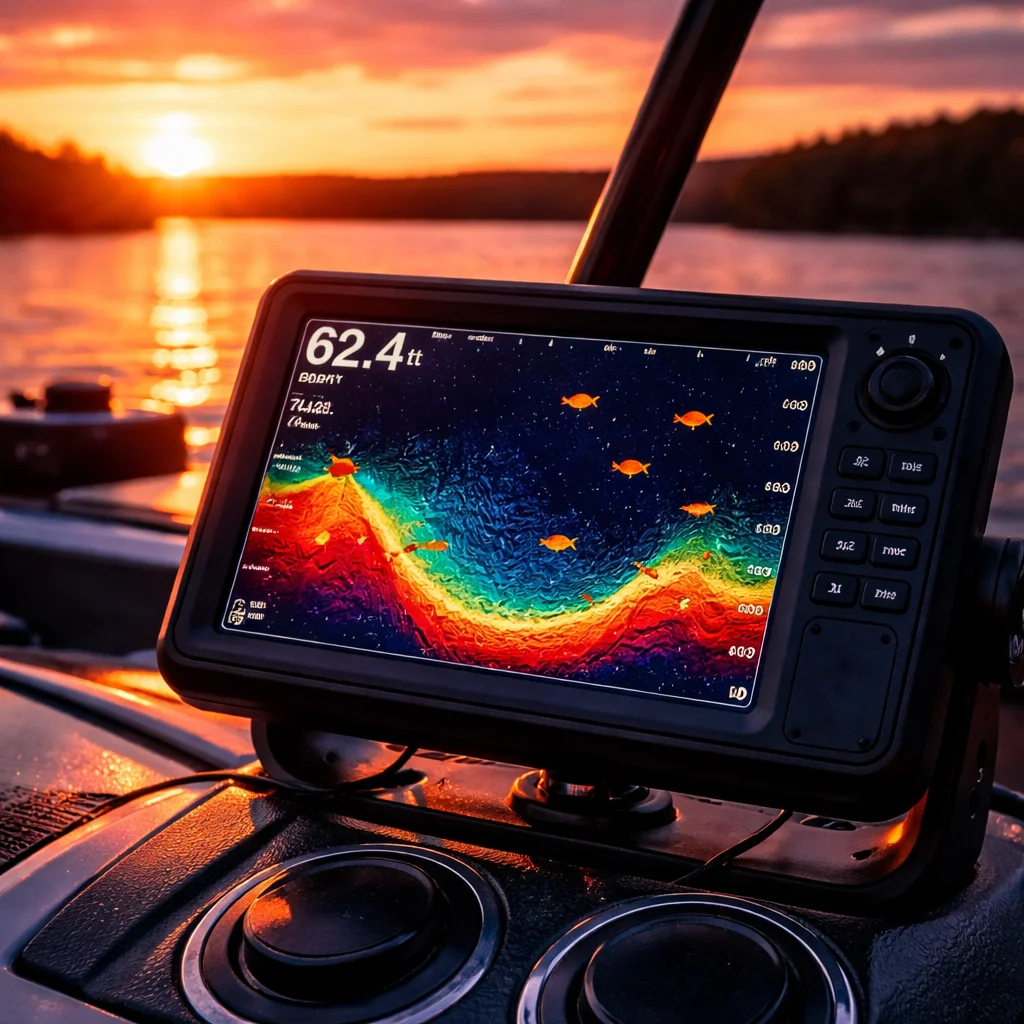
Understanding fishing electronics starts with recognizing their core components and functionalities. Most fish finders and sonar systems operate by emitting sound waves that bounce off objects in the water. The device then interprets these echoes to create a visual display on a screen. This technology not only helps in spotting fish but also in identifying underwater structures that can serve as fish habitats. For instance, knowing where drop-offs or submerged trees are can significantly enhance your fishing strategy. Additionally, many modern units come equipped with features like temperature sensors and water depth indicators, which can offer valuable data for making informed fishing decisions.
Moreover, the display quality of these electronics has improved significantly over the years. High-definition screens with color displays are now standard, making it easier for anglers to interpret the data presented. Features like touch screens and customizable layouts allow users to tailor their interface for quick access to critical information. As you navigate the world of fishing electronics, take the time to familiarize yourself with the controls and settings of your device to ensure you can operate it effectively in various conditions.
Types of Fishing Electronics
When diving into fishing electronics, it’s essential to recognize the different types available and their specific functionalities. The most common type is the fish finder, which uses sonar technology to detect fish and underwater structures. These devices can range from basic models that show only depth to advanced units that provide detailed images of the underwater environment. For example, a high-end fish finder may include features like CHIRP sonar, which sends multiple frequencies to create a clearer picture of what’s beneath the surface.
Another important category is sonar systems, which can provide even more detailed imaging than standard fish finders. These systems often utilize advanced technology such as side imaging or down imaging, allowing anglers to see a wider area and identify fish with greater accuracy. Additionally, GPS devices are crucial for modern fishing, enabling anglers to mark their favorite spots, track routes, and navigate unfamiliar waters safely. As you explore these options, consider how each type aligns with your fishing style and preferences.
Choosing the Right Fishing Electronics
Choosing the right fishing electronics involves several key factors that can significantly impact your fishing success. First, consider the type of water you typically fish in. Are you mostly in freshwater lakes, rivers, or saltwater environments? Each setting may require different features. For example, saltwater anglers may benefit from electronics that can withstand harsher conditions and corrosion. Additionally, think about the species you are targeting; certain fish may require specific techniques or equipment.
Budget is another critical factor in your decision-making process. Fishing electronics can vary widely in price, from budget-friendly models to high-end units packed with advanced features. While it may be tempting to opt for the most expensive option, consider your actual needs and how often you will use the device. Researching user reviews and seeking recommendations from fellow anglers can also provide valuable insights into the best equipment for your needs. Ultimately, the right fishing electronics should complement your fishing style and enhance your overall experience.
Setting Up Your Fishing Electronics
Once you’ve selected the right fishing electronics for your needs, the next step is to set them up properly to ensure optimal performance. Proper mounting is crucial; your device should be positioned in a way that allows for a clear view of the screen without obstructions. Many anglers prefer to mount their fish finders at the helm of the boat or on a console where they can easily access the controls. Additionally, ensure that the transducer, which sends and receives sonar signals, is installed correctly to prevent inaccuracies in readings. The transducer should be submerged in water and positioned at the correct angle to provide the best results.
Powering your fishing electronics is another essential aspect of setup. Most devices require a reliable power source, typically a 12-volt battery, and it’s important to ensure that all connections are secure. Check the manual for specific power requirements and installation instructions. After setting up the hardware, take the time to familiarize yourself with the software settings. Many devices allow you to customize various features, such as sensitivity, depth range, and even color palettes for better visibility in different lighting conditions. Adjusting these settings based on conditions can dramatically improve your fishing experience.
Interpreting Sonar Images
Interpreting sonar images effectively is a skill that can take your fishing to the next level. When you look at a sonar screen, you’ll typically see a range of information, including depth readings and indications of fish. Understanding the colors and shapes on your display is crucial. For example, fish typically appear as arches or blobs, depending on the sonar technology being used. The size and shape of these marks can help you gauge the size of the fish and their proximity to the bottom or structure.
Moreover, recognizing underwater structures is just as vital as identifying fish. Structures like rock piles, submerged trees, and drop-offs can indicate great fishing spots. Many advanced fish finders allow you to view these structures in real-time and even provide 3D imaging, giving you a better understanding of the underwater landscape. As you gain experience using sonar, practice interpreting the data in various environments to build your confidence and skill. Take notes on what types of structures yield the best results, and use this information to guide your future fishing expeditions.
Maximizing Sonar Usage
To maximize sonar usage, it’s essential to understand that adjusting your settings based on water conditions can significantly impact your results. Factors such as water clarity, temperature, and depth can all influence how effectively sonar operates. For instance, in murky water, increasing the sensitivity of your sonar can help you detect fish that may otherwise be difficult to spot. Conversely, in clear waters, you may want to adjust settings to filter out noise and improve the clarity of your readings.
Additionally, be mindful of your boat’s speed when using sonar. Faster speeds can lead to less accurate readings, as the sonar may not have enough time to scan the area thoroughly. Slow down as you approach potential fishing spots to allow your electronics to gather the most accurate data. Experimenting with different settings and speeds will help you find the optimal combination for the conditions you’re facing, ultimately leading to more successful fishing outings.
Using GPS for Fishing
GPS devices have become an indispensable tool for modern anglers, providing critical information that can enhance your fishing experience. One of the primary benefits of GPS is the ability to track your exact location and mark waypoints of successful fishing spots. By saving these waypoints, you can easily return to productive areas without the hassle of searching each time. This feature is particularly useful in vast water bodies where familiar landmarks may be scarce.
Additionally, GPS can help you navigate through unfamiliar waters, ensuring that you avoid hazards and find the best routes to your fishing destinations. Many GPS units are equipped with detailed maps that display underwater structures, channels, and other critical features that can help you plan your fishing strategies. Investing time in learning how to effectively use the mapping capabilities of your GPS can pay off significantly, as you can uncover hidden hotspots that may not be immediately apparent.
Integrating Fishing Electronics with Other Gear
Integrating fishing electronics with your other gear can streamline your fishing experience and enhance effectiveness. For instance, connecting your fish finder with a smartphone app can provide additional functionalities, such as weather updates, tide information, and fishing forecasts. Many modern fish finders come with Bluetooth capabilities, allowing you to receive notifications and control settings directly from your mobile device. This integration not only improves convenience but also keeps you informed about changing conditions that may affect your fishing success.
Moreover, consider how your electronics can work in tandem with your fishing rods and bait. Using electronic bait systems that sync with your fish finder can help you determine the best times to deploy bait based on real-time data. Finding the right balance between technology and traditional techniques can lead to a more successful outing and a more enjoyable experience on the water. As you explore these integrations, stay open to trying new combinations that may enhance your overall fishing strategy.
Troubleshooting Common Issues
Troubleshooting common issues with fishing electronics is an essential skill that every angler should develop. One of the most frequent problems is a lack of clear readings, which can stem from several factors. First, check the transducer installation; it should be properly mounted and free from obstructions to ensure accurate data collection. If readings are still unclear, verify that the device is set to the appropriate depth range and sensitivity level for the conditions you are fishing in.
Another common issue is power problems. If your device isn’t turning on or is shutting down unexpectedly, inspect the battery connections and ensure that the battery is adequately charged. Investing in a quality marine battery can help prevent these issues. Lastly, don’t forget to regularly update the software and maps on your devices. Many manufacturers release updates that improve performance and add new features, so staying current can enhance your overall experience and help prevent potential problems.
Best Practices for Effective Use
Implementing best practices for effective use of fishing electronics can significantly enhance your fishing success. One key practice is to maintain a fishing journal where you track the conditions, locations, and species caught during each outing. This data can help identify patterns over time, allowing you to adjust your strategies accordingly. For example, if you consistently catch fish at a certain depth or under specific weather conditions, you can replicate those scenarios in future trips to increase your chances of success.
Additionally, regularly practicing with your electronics in various conditions will build your familiarity and confidence. Whether you’re on a calm lake or navigating rough seas, using your devices in diverse environments will help you learn how to interpret readings and adjust settings effectively. Lastly, don’t forget to familiarize yourself with local regulations regarding the use of electronic devices in fishing. Some areas may have specific restrictions, and adhering to these regulations is essential for responsible angling.
Future Trends in Fishing Electronics
The future of fishing electronics is promising, with advancements in technology continuing to transform how we fish. One notable trend is the increasing integration of artificial intelligence (AI) into fishing devices. AI can analyze data more efficiently, helping anglers make informed decisions based on real-time conditions. For instance, AI-enabled fish finders could potentially predict fish behavior based on environmental factors, leading to more successful outings.
Additionally, the rise of mobile applications designed for fishing electronics is on the upswing. These apps can provide detailed weather forecasts, tide information, and even community-driven fishing reports. By utilizing these tools in conjunction with fishing electronics, anglers can customize their fishing strategies like never before. As technology continues to evolve, staying informed about these trends will help you leverage the latest advancements to enhance your fishing experience.
Conclusion and Actionable Takeaways
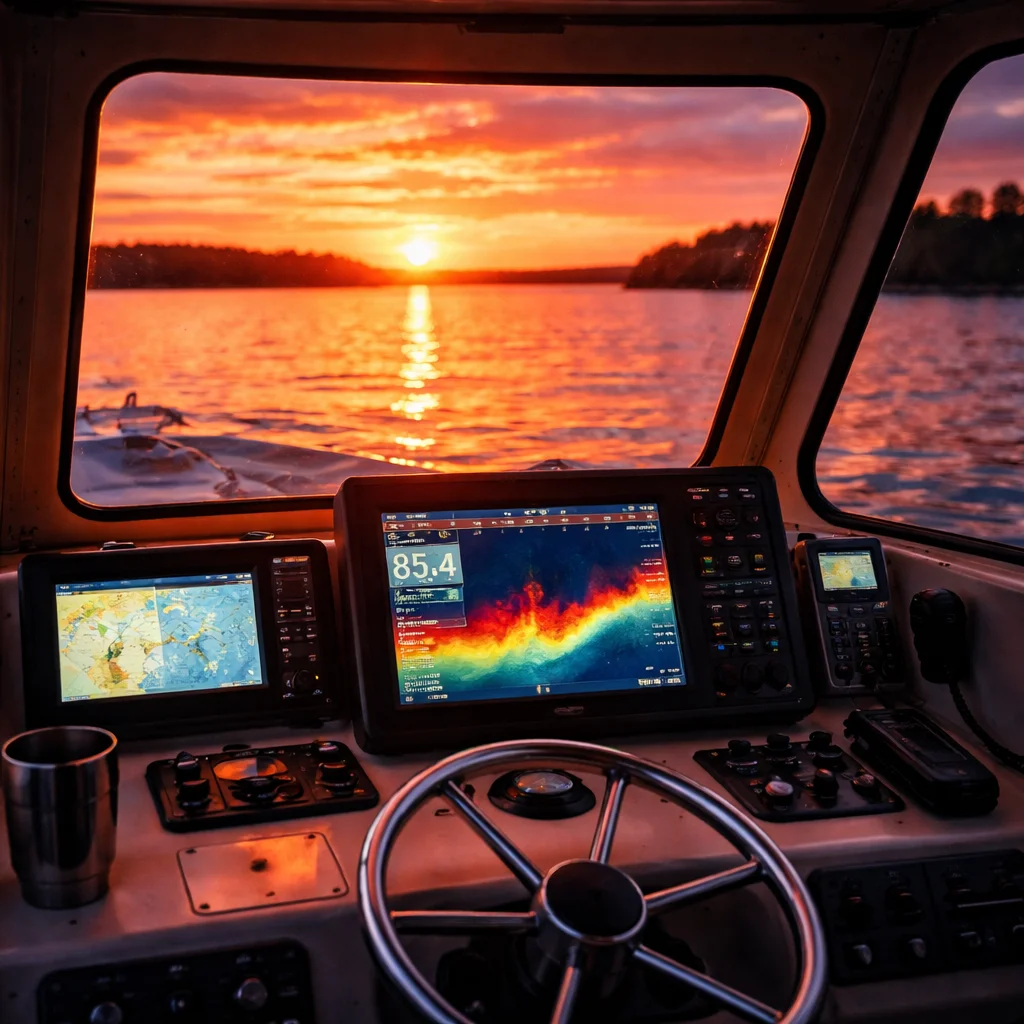
In conclusion, effectively using fishing electronics can dramatically enhance your fishing experience by providing critical data to inform your decisions on the water. From understanding different types of devices and choosing the right gear to interpreting sonar images and integrating electronics with other equipment, each aspect plays a vital role in your success as an angler. Remember to practice regularly, maintain your equipment, and keep up with technological advancements to stay ahead in the game.
As actionable takeaways, start by familiarizing yourself with your electronics and experimenting with various settings based on conditions. Keep a fishing journal to track patterns and use GPS to mark your favorite spots. Lastly, stay informed about future trends in fishing electronics to ensure you’re equipped with the best tools for your adventures. With dedication and practice, you can unlock the full potential of your fishing electronics and enjoy more successful fishing trips.
