
The Ultimate Guide to Fishing Tackle Boxes
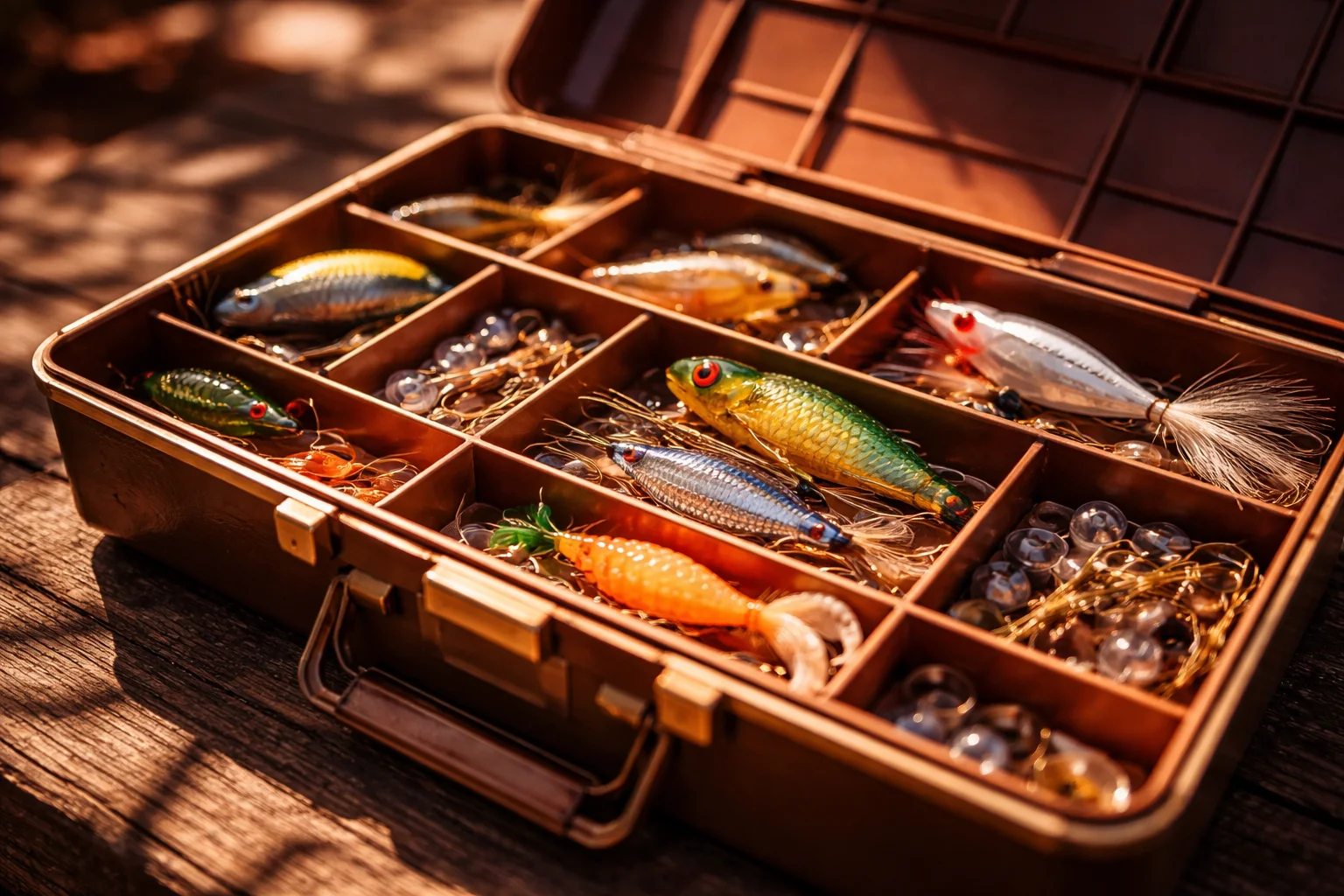
Fishing tackle boxes serve as indispensable storage solutions for anglers, designed to keep your fishing gear organized and easily accessible. They come in a variety of shapes, sizes, and materials, each tailored to meet different fishing needs and preferences. A well-organized tackle box not only simplifies the process of finding your equipment but also enhances the overall fishing experience by ensuring that you have everything you need right at your fingertips. In this comprehensive guide, we will explore the various types of fishing tackle boxes, their key features, and how to choose the right one for your fishing adventures.
The importance of fishing tackle boxes cannot be overstated. A cluttered fishing setup can lead to frustration and wasted time, especially when you’re out on the water trying to catch fish. By investing in a good tackle box, you can streamline your fishing trips, making them more enjoyable and effective. This guide aims to provide beginners with a foundational understanding of tackle boxes, allowing you to select and utilize them effectively for your fishing endeavors.
Introduction to Fishing Tackle Boxes

Fishing tackle boxes are specifically designed to store various fishing gear and accessories, offering a range of organizational features that cater to the needs of anglers. These boxes help in protecting your equipment from damage and environmental factors, ensuring that your tools are always ready for use. Whether you’re going for a casual day of fishing or preparing for a serious angling expedition, a tackle box can make a significant difference in your preparation and overall success.
Typically made from durable materials, fishing tackle boxes can range from simple plastic containers to sophisticated multi-compartment systems. While their primary function involves storage, many tackle boxes are designed with portability in mind, making it easy to transport your gear from one location to another. This versatility is crucial, especially for anglers who frequently change fishing spots or travel long distances to reach their favorite fishing locations.
Types of Fishing Tackle Boxes
When it comes to fishing tackle boxes, several types are available to suit different fishing styles and preferences. Hard cases are among the most popular, offering robust protection for your gear against impacts and environmental conditions. These boxes often feature customizable compartments, allowing you to tailor the storage space to fit your specific tools and tackle. Soft bags, on the other hand, provide lightweight convenience and flexibility, making them ideal for anglers who prefer a more mobile setup. They may come equipped with external pockets for quick access to frequently used items.
Tackle trays are another common option, often used for organizing smaller items like hooks and lures. These trays can be stacked inside a larger tackle box or used independently, allowing for easy access to your fishing essentials. Additionally, some anglers opt for specialized tackle boxes designed for specific types of fishing, such as fly fishing or saltwater fishing, which may include specialized compartments for unique gear.
Key Features of Fishing Tackle Boxes
Choosing the right fishing tackle box involves understanding its key features, which can significantly impact your fishing experience. One of the most important features is the number and arrangement of compartments, which allow for organized storage of various tackle items. A good tackle box will provide a mix of fixed and adjustable compartments so that you can customize the layout according to your needs. This adaptability is essential for accommodating different types of gear, from lures to tools.
Waterproof materials are another critical feature to consider when selecting a tackle box. Exposure to water is inevitable while fishing, so a waterproof tackle box can protect your gear from moisture damage. Some tackle boxes also come with additional features such as built-in tackle organizers, removable trays, and even integrated rod holders, enhancing their functionality and convenience. Portability is also a significant consideration; look for tackle boxes with comfortable handles or shoulder straps for easy transport during your fishing trips.
Benefits of Using Fishing Tackle Boxes
The benefits of using fishing tackle boxes extend beyond mere organization. One of the most significant advantages is the time saved during fishing trips. When your gear is neatly organized and easily accessible, you can spend more time fishing and less time searching for the tools you need. This efficiency can lead to a more productive fishing experience, especially if you’re in a competitive setting or looking to catch a specific type of fish.
Moreover, a well-maintained tackle box can help prolong the lifespan of your fishing gear. By keeping your tools stored properly, you can prevent wear and tear that might occur from being jostled around in a less organized setup. This not only protects your investment but also ensures that your gear remains in optimal condition for years to come. Additionally, having a tackle box allows you to experiment with different fishing techniques and tackle, as you can easily carry everything you need for various fishing scenarios.
How to Choose the Right Tackle Box
Choosing the right tackle box involves considering several factors that cater to your specific fishing needs. First, you should evaluate the size of the box based on the amount of gear you typically carry. A larger box may be beneficial if you have an extensive collection of tools, while a smaller, more portable option may be sufficient for casual fishing trips. Assess your fishing style too; for example, freshwater and saltwater fishing may require different types of tackle, which can influence your choice of tackle box.
Personal preferences also play a significant role in the selection process. Consider how you like to organize your gear and what features are most important to you. Do you prefer a lightweight soft bag for convenience, or do you need the durability of a hard case? Make a list of your must-have features, such as waterproofing, adjustable compartments, or extra pockets, and use this as a checklist when shopping for your tackle box. By aligning your choice with your specific needs and fishing habits, you can find a tackle box that complements your angling experience.
Organizing Your Tackle Box Effectively
Once you’ve selected the right tackle box, the next step is organizing it effectively to maximize accessibility and efficiency. Start by categorizing your tools and tackle into different sections; for example, you might have compartments for lures, hooks, lines, and tools. Using dividers can help keep these categories separate, preventing items from becoming tangled or mixed together. Labeling compartments can also provide a quick reference, making it easier to find what you need without rummaging through everything.
Another useful tip for organization is to keep frequently used items at the top or in easily accessible compartments. This way, you won’t have to dig deep into your tackle box when you need a specific tool. Consider also using small tackle boxes or containers within your main tackle box for smaller items, as this can further improve organization and keep everything tidy. Regularly reassessing and reorganizing your tackle box will help maintain its efficiency, ensuring that it meets your evolving fishing needs.
Essential Items to Include in Your Tackle Box
When packing your tackle box, it’s essential to include all the necessary items to ensure a successful fishing trip. Start with hooks and lures, as these are fundamental tools for attracting fish. Depending on your target species, you will want a variety of hooks in different sizes and styles. Lures should also be diverse, with options ranging from spinners to jigs, allowing you to adapt to different fishing conditions and fish preferences.
In addition to hooks and lures, having a selection of fishing lines is crucial. Different fishing techniques may require different line strengths and types, so make sure to include both monofilament and braided lines in your tackle box. Don’t forget essential tools such as pliers, scissors, and a line cutter; these tools are invaluable for rigging your setup and handling fish. Lastly, consider including a first aid kit and any personal items you may need, such as sunscreen or insect repellent, to ensure you’re fully prepared for your fishing adventure.
Maintenance and Care for Tackle Boxes
Proper maintenance and care for your tackle box are essential to extend its lifespan and maintain its functionality. Regularly cleaning your tackle box can prevent the buildup of dirt, moisture, and odors. After each fishing trip, take a few moments to empty the box and wipe it down with a damp cloth to remove any debris or residue. Pay special attention to the compartments and storage areas, as these can accumulate dirt over time.
Inspect your tackle box regularly for any signs of wear or damage. Check the hinges, latches, and seals to ensure they are functioning correctly, especially if you have a waterproof model. If you notice any issues, address them promptly to avoid further damage. Finally, store your tackle box in a cool, dry place when not in use to protect it from extreme temperatures and moisture, which can degrade the materials over time.
Conclusion

Fishing tackle boxes are vital tools for anglers, offering a convenient way to store and organize fishing gear. By understanding the different types of tackle boxes, their key features, and how to choose the right one, you can enhance your fishing experience significantly. Effective organization and maintenance of your tackle box will ensure that you are always prepared for your fishing adventures, making your time on the water more enjoyable. Whether you are a novice angler or a seasoned pro, investing in a good tackle box is a step towards improved fishing success.
