
How to Organize Fishing Gear: Tips for Efficient Storage
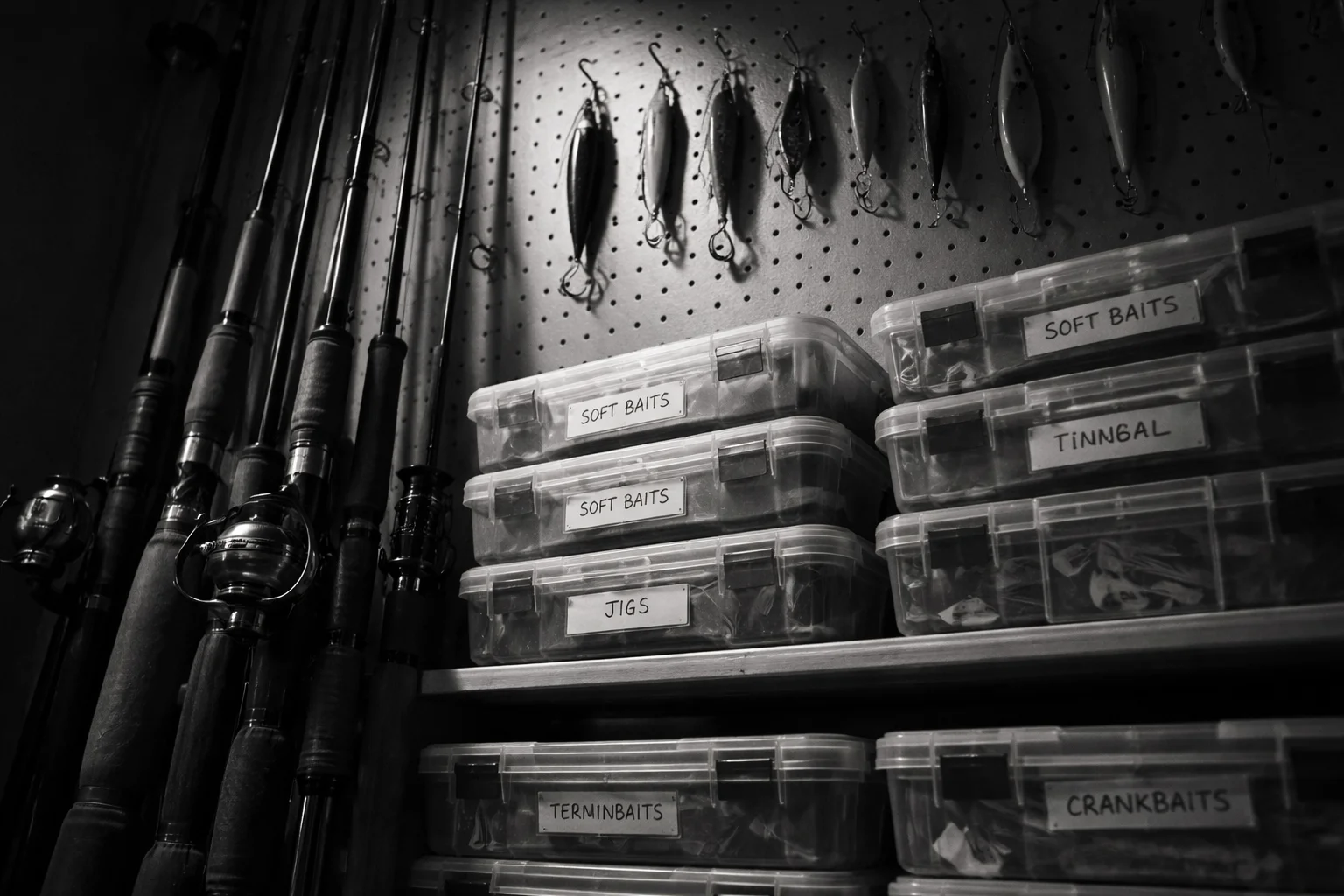
For any angler, the thrill of fishing is often accompanied by the chaos of managing various fishing gear. Organizing fishing gear is more than just a practical necessity; it’s a vital step in enhancing your fishing experience. When your equipment is neatly organized, it not only reduces the time spent searching for items but also increases your efficiency on the water. This guide will provide you with actionable tips and strategies to help you efficiently store and maintain your fishing gear, ensuring that you are always prepared for your next fishing trip.
Understanding the importance of organizing fishing gear goes beyond mere aesthetics; it impacts your overall fishing success. An organized setup allows you to quickly access the tools you need, whether it be a specific lure or rod. When everything has its place, you can focus more on the fishing itself rather than on fumbling through a disorganized pile of equipment. Additionally, maintaining an organized space minimizes the risk of gear damage and loss, which can be costly and frustrating for any angler. Consequently, keeping your equipment in order can significantly enhance your enjoyment of the sport.
Assessing Your Fishing Gear Inventory
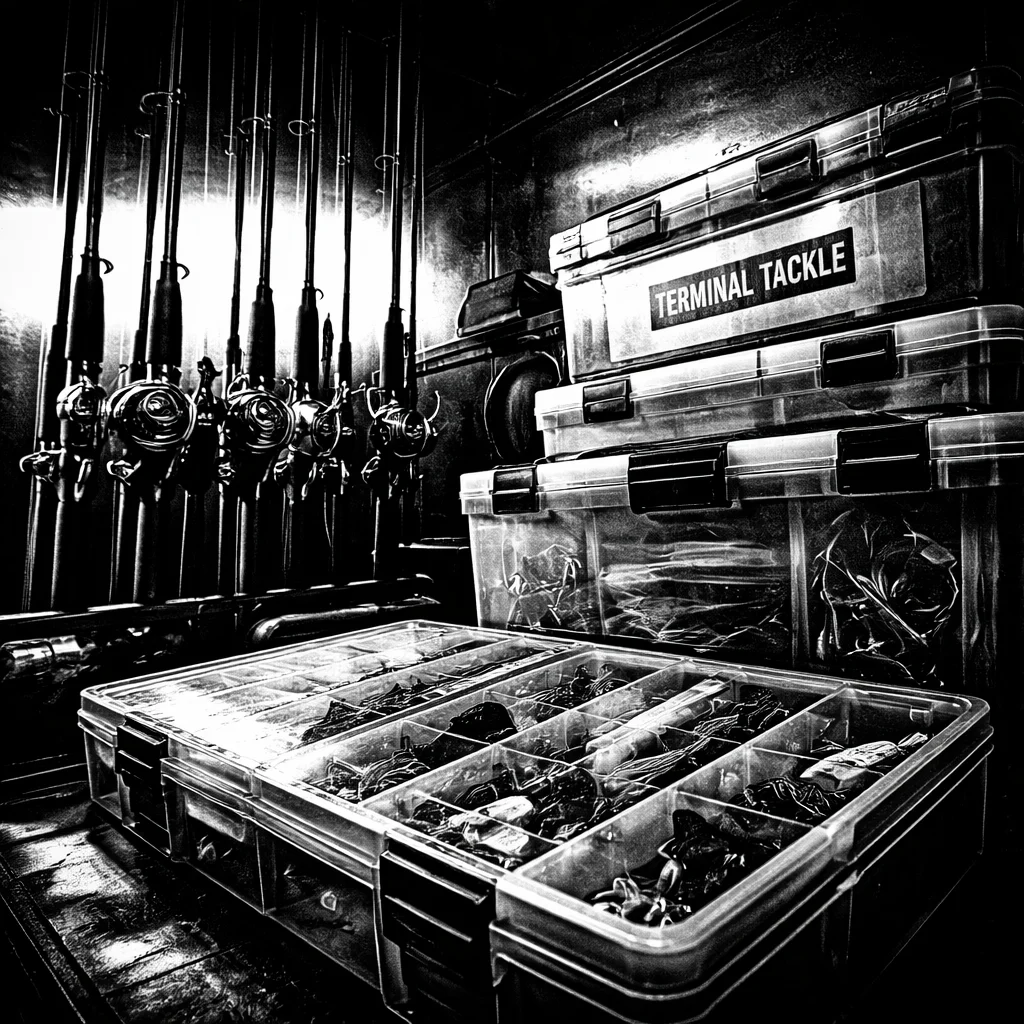
The first step in organizing your fishing gear is conducting a thorough inventory assessment. Take the time to gather all your equipment from various locations and lay it out where you can see everything. This exercise not only helps you understand what you possess but also allows you to identify duplicates or items that may no longer be useful. As you assess your inventory, categorize your gear into groups such as rods, reels, tackle, and accessories. The clear organization will help you determine what you need to keep and what can be discarded.
During your inventory assessment, it’s helpful to establish a hierarchy of importance for your gear based on your fishing habits and preferences. For instance, if you frequently fish in saltwater, you may want to prioritize corrosion-resistant reels and tackle. Conversely, if you’re an avid freshwater angler, your focus might shift to specific lures and freshwater rods. By tailoring your inventory to reflect your fishing style, you can ensure that your organization efforts yield the most practical results for your needs.
Choosing the Right Storage Solutions
With your inventory in hand, the next step is to choose the right storage solutions that align with the types of gear you possess. Tackle boxes are a traditional and effective method for organizing smaller items like lures, hooks, and weights. Look for tackle boxes with adjustable compartments that allow you to customize the layout according to the size and type of tackle. Additionally, consider investing in waterproof tackle storage solutions to protect your gear from moisture damage, especially if you fish in wet conditions.
For larger items such as rods and reels, consider using vertical rod holders or wall mounts. These storage solutions not only keep your rods safe from damage but also free up floor space, creating a more organized environment. If you have limited space, think about utilizing multifunctional furniture, such as storage benches or ottomans that can double as seating while providing a hidden storage option for your gear. The right storage solutions will contribute significantly to maintaining an organized setup.
Effective Techniques for Organizing Rods and Reels
When it comes to organizing rods and reels, employing effective techniques can make all the difference. One popular method is to use rod racks or holders that can be mounted on walls or ceilings. This method not only protects the rods from bending or breaking but also allows for easy access when you’re ready to hit the water. Additionally, consider using protective covers for your reels to prevent dust accumulation and potential damage from accidental impacts. Fishing Regulations and Licensing Explained.
Another effective technique is to store reels and rods by type or size, which simplifies the process of selecting the right gear for specific fishing conditions. For instance, group heavy-duty rods together for saltwater fishing and lighter rods for freshwater excursions. This kind of organization streamlines your pre-fishing routine, allowing you to grab the necessary gear quickly and efficiently. The time saved in organizing can be used to enhance your fishing experience, making it more enjoyable.
Storing Tackle Boxes and Accessories
When it comes to storing tackle boxes and accessories, organization plays a key role in your fishing success. Begin by categorizing your tackle based on the types of fish you target or the fishing techniques you employ. For example, group all your bass fishing lures in one tackle box and all your fly-fishing gear in another. This way, when you decide to go fishing, you can grab the tackle box that best suits your needs without wasting time sorting through various lures.
Additionally, consider using drawer organizers within your tackle boxes to separate smaller accessories like hooks, sinkers, and swivels. This approach not only keeps these items from getting tangled but also makes it easier to find exactly what you need. Using clear tackle boxes can also enhance visibility, allowing you to spot your desired gear quickly. By establishing a system for storing tackle boxes and accessories, you can ensure a smooth and efficient fishing experience.
Utilizing Vertical Space for Gear Storage
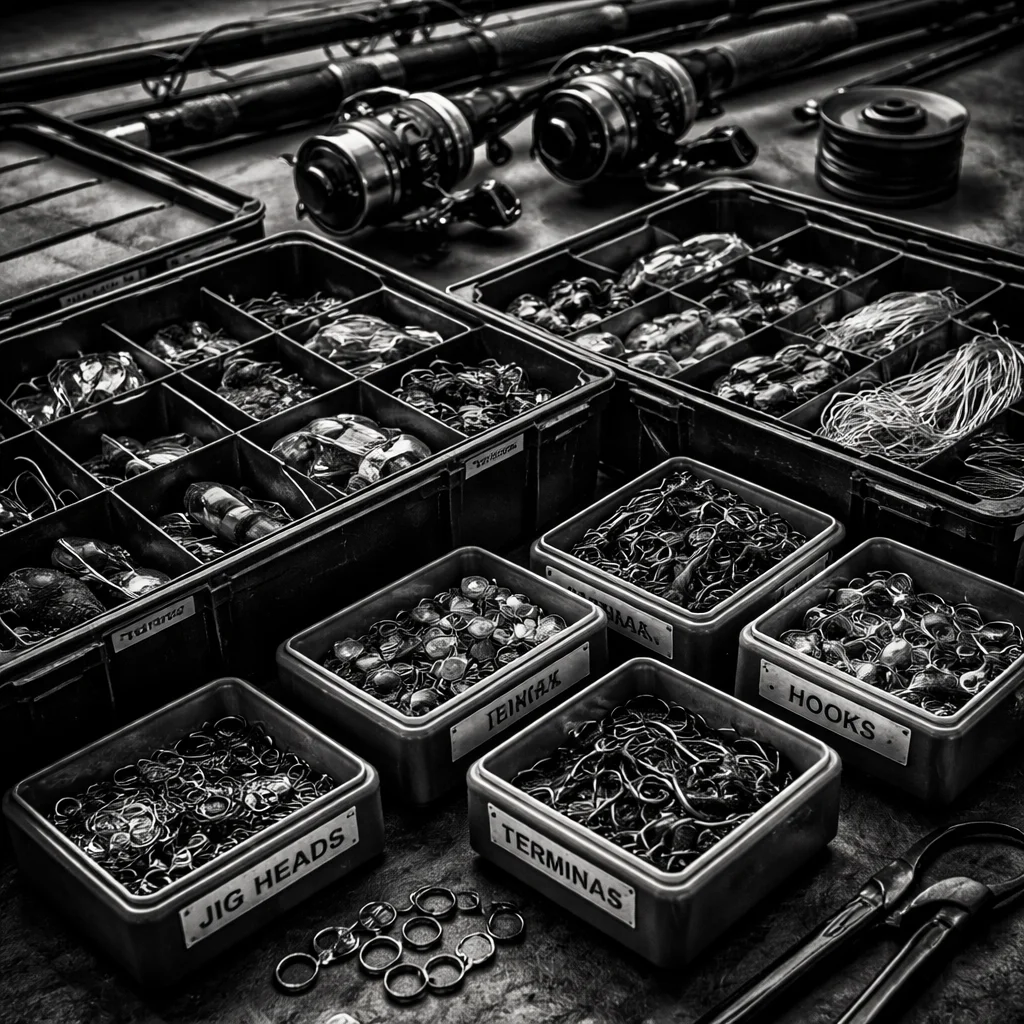
Maximizing vertical space is an often-overlooked aspect of organizing fishing gear, but it can dramatically improve your storage capabilities. Wall-mounted pegboards are an excellent option for displaying and organizing various tools and equipment. You can hang everything from fishing nets to pliers and even tackle boxes, making them easily accessible. This method not only keeps your gear organized but also creates an attractive display that showcases your passion for fishing.
In addition to pegboards, consider using shelving units to store larger items or bins. By stacking items vertically, you free up valuable floor space and create a more functional environment. Label shelves or bins according to the type of gear stored within them, making it easier for you to locate specific items. Utilizing vertical space can transform any cluttered storage area into a well-organized fishing gear sanctuary.
Labeling for Quick Access
Labeling is a crucial step in the organization process that can significantly enhance your efficiency when accessing your fishing gear. By clearly labeling storage containers, tackle boxes, or shelves, you ensure that you can quickly identify where each item is located. This practice reduces the time spent searching for gear, allowing you to focus more on enjoying your fishing trips.
