
Can I Fish Without a License? Understanding the Legalities
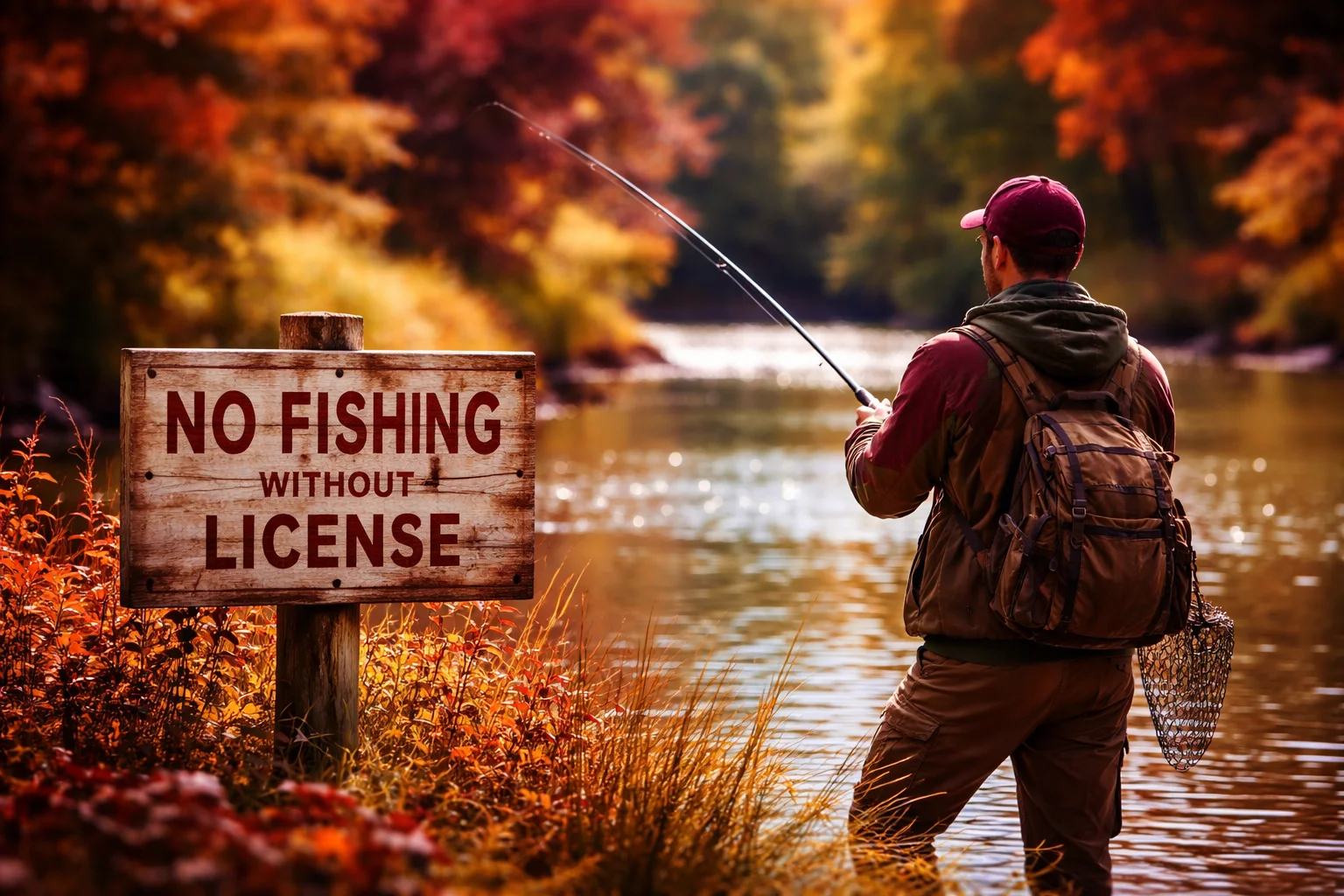
Fishing is a beloved pastime for many individuals, offering a unique connection to nature and a chance to unwind. However, before you cast your line, it is essential to understand the legal implications surrounding fishing without a license. In most jurisdictions, obtaining a fishing license is not just a formality; it is a legal requirement that ensures the sustainability of fish populations and the health of aquatic ecosystems. This blog post aims to clarify what you need to know about fishing licenses, from legal requirements to the consequences of fishing without one, as well as how to obtain a license and explore state-specific regulations.
Understanding fishing licenses is crucial for responsible anglers. Fishing licenses are typically issued by state or provincial wildlife agencies, with the fees collected used to fund conservation efforts and maintain fish habitats. These licenses help regulate fishing activities, protect vulnerable species, and ensure that future generations can enjoy fishing. While the requirements may vary by location, the overarching goal remains the same: to promote responsible fishing practices and protect aquatic environments. Therefore, understanding whether you can fish without a license is the first step in becoming a responsible angler.
Legal Requirements for Fishing
Legal requirements for fishing generally include obtaining a fishing license, adhering to specific fishing regulations, and understanding local fishing laws. Each state has its own set of rules that govern fishing practices, which may include restrictions on the types of fish that can be caught, the size and quantity limits, and specific fishing seasons. For instance, in some regions, fishing for certain species may be prohibited during spawning seasons to protect their populations. Before heading out, it’s vital to familiarize yourself with these regulations to avoid legal repercussions.
In the United States, most states require anglers aged 16 and older to hold a valid fishing license. This requirement can vary slightly depending on specific state regulations, so always check the local laws. Additionally, many states have specific rules regarding fishing methods, such as the use of nets, traps, or certain bait types. Understanding these legal requirements not only helps you stay compliant but also fosters a sense of responsibility towards protecting fish populations and their habitats.
Consequences of Fishing Without a License
Fishing without a license can lead to significant legal consequences. The penalties for being caught fishing without a license can vary widely by state, but they generally include hefty fines, confiscation of fishing gear, and, in some cases, civil penalties or even criminal charges. For example, in California, fishing without a valid license can result in fines ranging from $100 to $1,000, depending on the circumstances and frequency of the offense. These fines serve as a deterrent to illegal fishing practices and emphasize the importance of compliance with fishing regulations.
Moreover, fishing without a license not only exposes anglers to legal repercussions but also undermines conservation efforts aimed at preserving fish populations and their habitats. When individuals fish illegally, it disrupts the balance of local ecosystems and can lead to overfishing, which jeopardizes the sustainability of fish species. Therefore, understanding the consequences of fishing without a license is crucial for any angler who wishes to contribute positively to the environment.
Exceptions to the License Requirement
While a fishing license is a requirement in most places, there are exceptions that allow individuals to fish without one under certain conditions. Many states offer free fishing days designated for residents and visitors, allowing them to fish without obtaining a license. These days are often intended to encourage participation in fishing and promote awareness of the sport. Free fishing days can vary by state, typically occurring during the summer months, and may include events aimed at introducing new anglers to the joys of fishing.
Additionally, some states provide exemptions for specific groups, such as youth anglers and seniors. For instance, certain states allow individuals under a certain age, usually 16 or younger, to fish without a license, while seniors may benefit from reduced fees or total exemptions. It’s essential to research the specific regulations in your state to take advantage of these exceptions and ensure that you are fishing legally.
How to Obtain a Fishing License
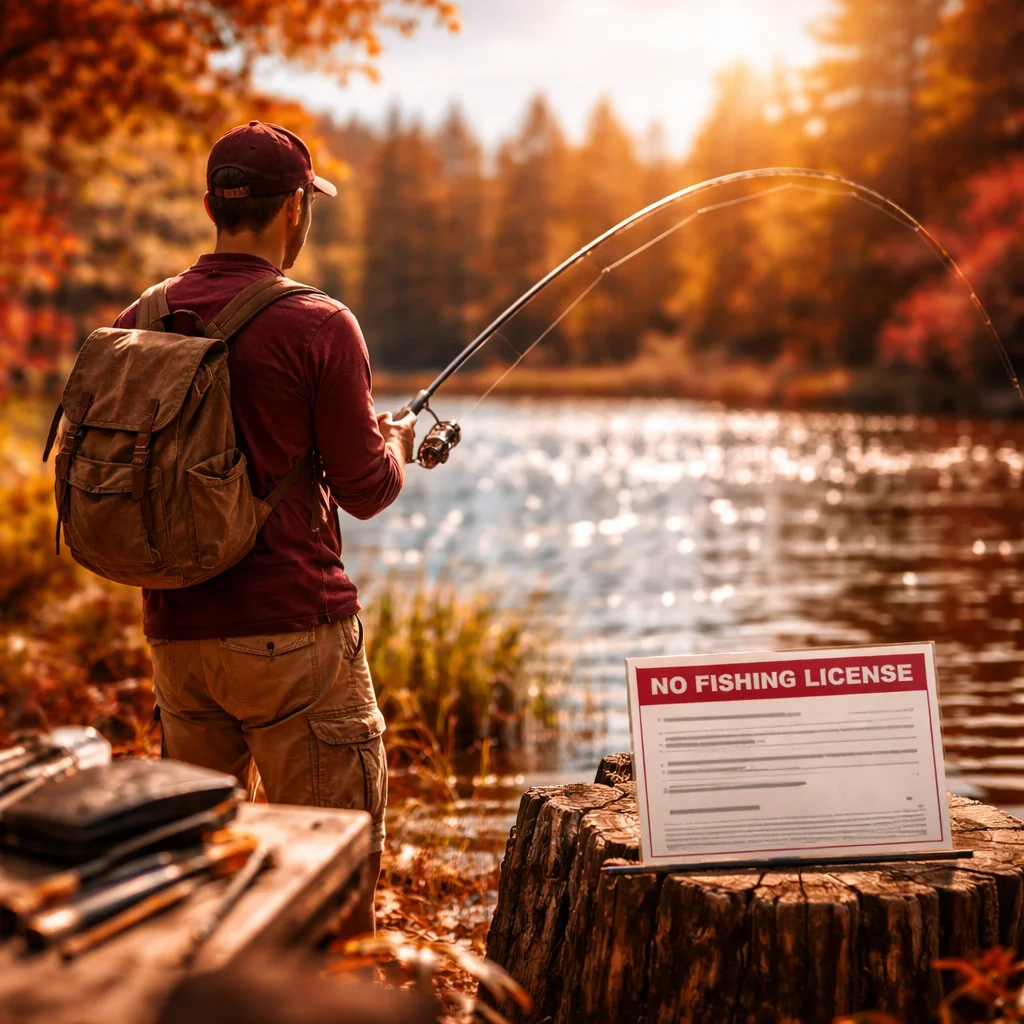
Obtaining a fishing license is a straightforward process that can often be completed online or at designated locations such as sporting goods stores or government offices. Most states have user-friendly websites where you can apply for a fishing license, making it convenient for anglers to get started. The application process usually requires basic personal information, proof of residency, and payment of the license fee, which can vary significantly depending on the state and type of license requested.
In many cases, fishing licenses can be purchased as a one-day, annual, or multi-year license, depending on your fishing frequency and preferences. One-day licenses are ideal for occasional anglers, while annual licenses are more economical for those who fish regularly. Additionally, some states offer discounts for veterans, seniors, and individuals with disabilities. It’s advisable to keep your fishing license with you while fishing, as you may be required to present it if approached by wildlife enforcement officers.
State-Specific Regulations
Fishing regulations can vary significantly from state to state, making it essential for anglers to research local laws before heading out. Each state sets its own rules regarding license fees, fishing seasons, species restrictions, and size limits. For example, Florida is known for its diverse fishing opportunities, allowing anglers to pursue various species, including freshwater and saltwater fish. However, it also has specific regulations regarding bag limits and size restrictions that anglers must adhere to.
In contrast, states like Montana may have stricter regulations to protect fragile ecosystems and specific fish populations. Understanding the state-specific regulations not only keeps you compliant but also enhances your fishing experience by ensuring you are fishing in the correct locations and targeting the right species within legal limits. Moreover, many states provide resources, including brochures and online guides, to help you navigate these regulations effectively.
The Role of Conservation in Licensing
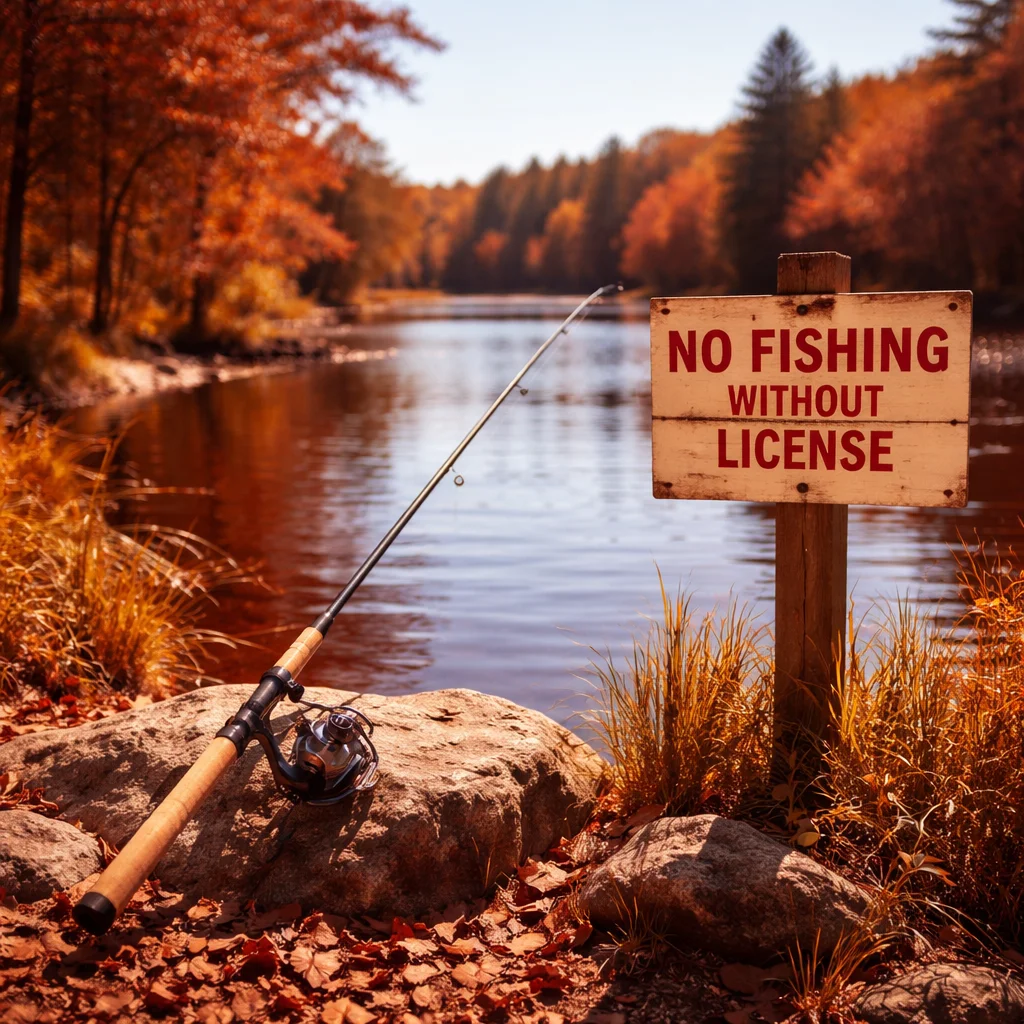
Conservation plays a vital role in the necessity of fishing licenses. The fees collected from fishing licenses are often allocated towards conservation efforts and the maintenance of aquatic habitats. These funds are crucial for supporting programs that monitor fish populations, restore habitats, and conduct research to ensure the sustainability of fishing resources. By purchasing a fishing license, anglers contribute directly to these conservation initiatives, promoting the health of aquatic ecosystems.
Licensing also helps in regulating fishing practices to prevent overfishing and protect endangered species. Many states have implemented specific regulations, such as catch-and-release programs and restrictions on certain fishing methods, to maintain balance within ecosystems. As responsible anglers, it’s our duty to support these conservation efforts by adhering to licensing requirements and fishing regulations, ensuring that we preserve our natural resources for future generations to enjoy.
Resources for Further Information
For anglers seeking more information on fishing regulations, local wildlife authorities are invaluable resources. State wildlife agencies often provide comprehensive guides on fishing laws, including licensing requirements, regulations, and conservation efforts. Many of these agencies have websites that offer up-to-date information, downloadable resources, and contact information for local offices where you can ask specific questions.
Additionally, various fishing organizations and forums provide insights and support for anglers of all skill levels. Websites like the American Sportfishing Association and local fishing clubs often host workshops, events, and educational resources aimed at promoting responsible fishing practices. Engaging with these resources not only enhances your understanding of fishing laws but also connects you with a community of like-minded individuals passionate about fishing.
In conclusion, understanding the legal implications of fishing without a license is essential for every angler. By familiarizing yourself with fishing regulations, obtaining the necessary licenses, and supporting conservation efforts, you can enjoy the sport responsibly while helping to protect our aquatic ecosystems. Remember, fishing is not just about catching fish; it’s about respecting nature and ensuring that future generations can share in this rewarding experience.
