Common Mistakes in Fishing Line Selection
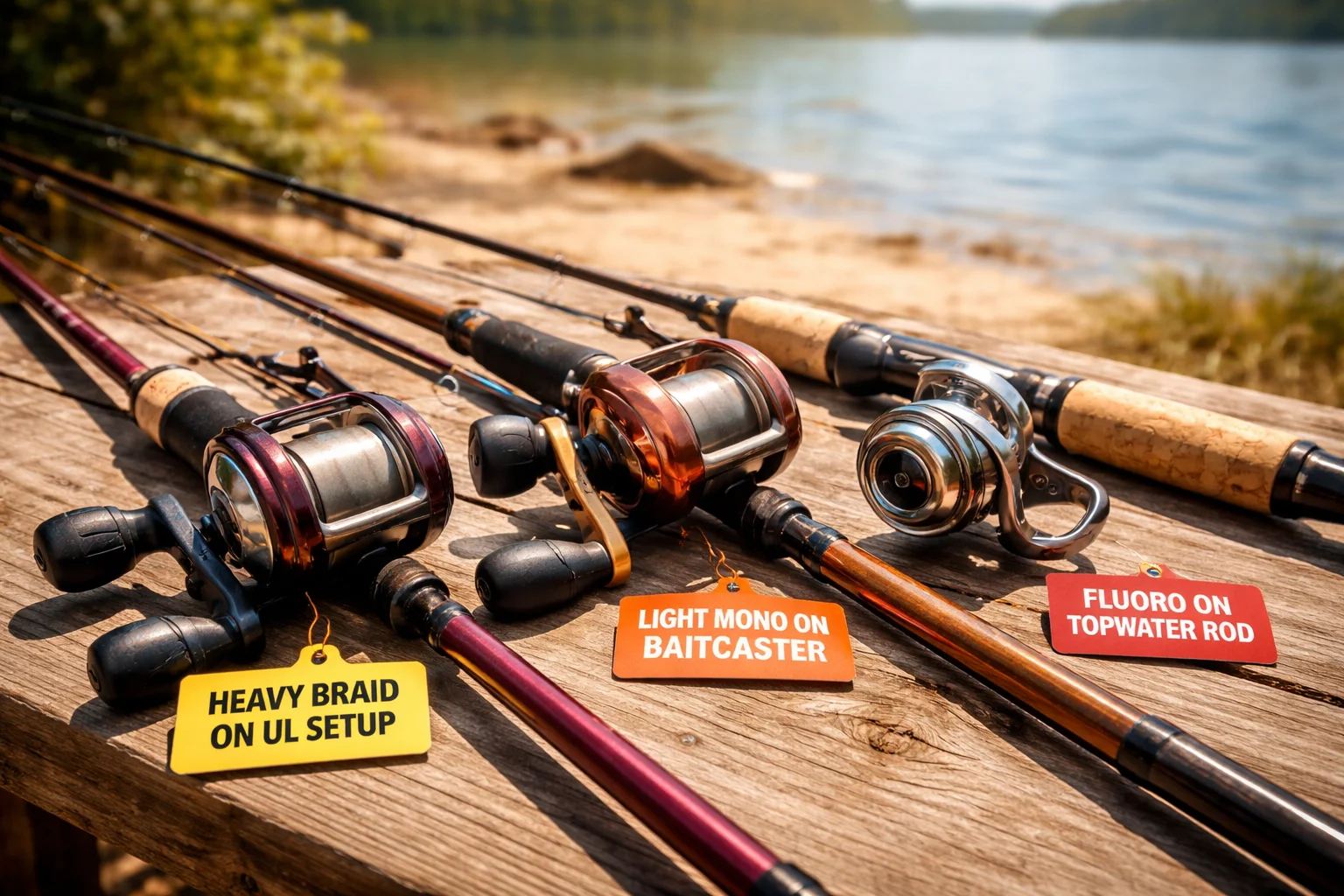
Selecting the appropriate fishing line is a fundamental aspect of successful angling that can significantly affect your overall fishing experience. Many anglers, even those with experience, often overlook crucial factors when it comes to fishing line selection. Whether it’s the type of line, its strength, or its visibility in the water, these elements can make or break a fishing trip. This guide aims to highlight common mistakes made during line selection and provide insights on how to choose the right fishing line to optimize your performance on the water.
Understanding the basics of fishing lines, including their types, strengths, and materials, is essential for any angler aiming to improve their skills. Fishing lines come in various forms, each designed for specific conditions and applications. The three most common types of fishing lines are monofilament, fluorocarbon, and braided lines. Each type has its unique benefits, strengths, and weaknesses, making it imperative to understand their characteristics before making a selection. A well-informed choice can lead to better results and a more enjoyable fishing experience.
Understanding Fishing Lines
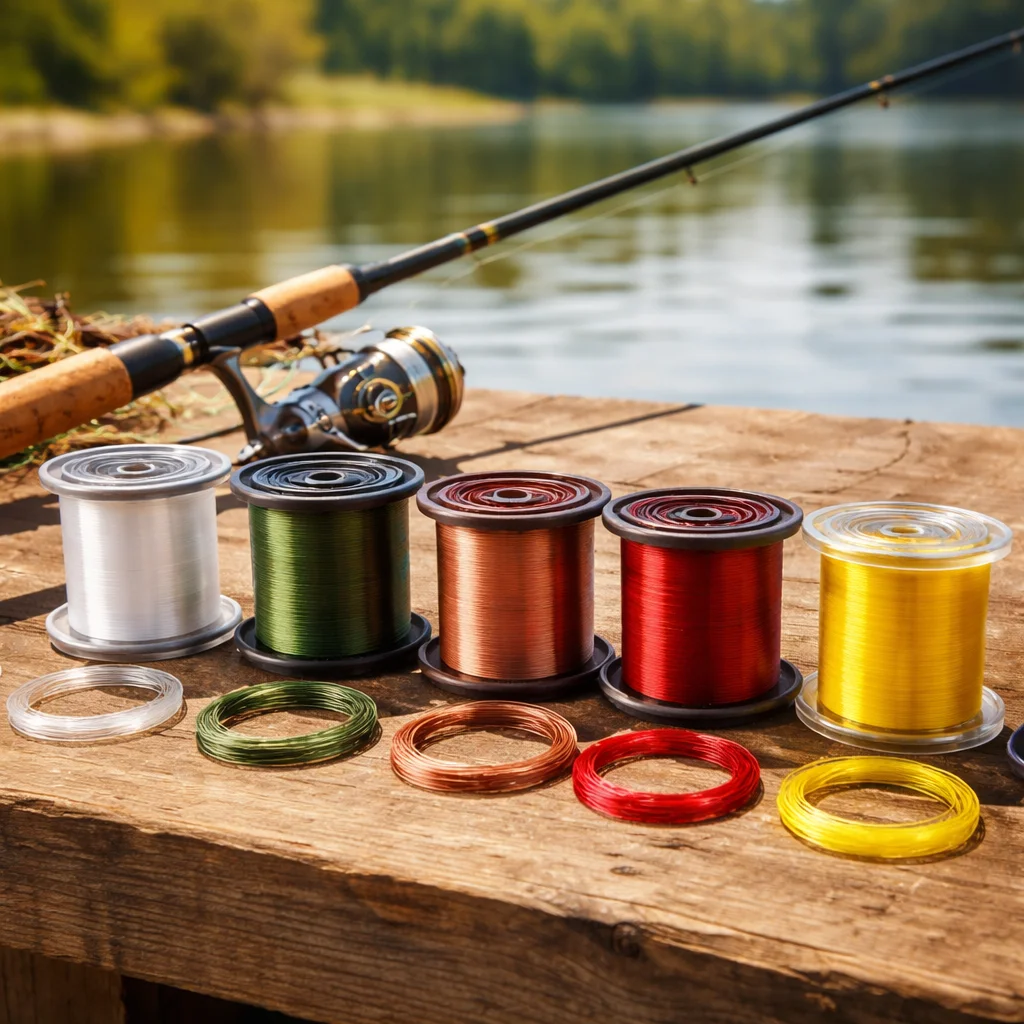
Before diving into the common mistakes anglers make, it is vital to grasp the fundamentals of fishing lines. Monofilament lines are versatile and user-friendly, making them a popular choice among beginners. They are stretchable, which can be beneficial for absorbing shocks when a fish strikes but may also hinder sensitivity. On the other hand, fluorocarbon lines offer superior invisibility underwater, making them ideal for clear water conditions where fish may be spooked by visible lines. Braided lines, known for their strength and minimal stretch, excel in heavy cover situations where anglers need to exert maximum control over their catch.
Choosing the right fishing line goes beyond just picking a type; it also involves understanding the line’s strength, which is crucial for matching it to your target species. Each fish species requires different line strengths to ensure that you have the right gear to handle their weight and fighting capabilities. Moreover, the material of the line affects its sensitivity, durability, and knot strength, all of which play significant roles in your overall fishing success. Understanding these elements will help you make more informed decisions when selecting a fishing line.
Common Line Types and Their Uses
Each type of fishing line serves a specific purpose and is suited to different fishing conditions. Monofilament lines are excellent for beginners due to their ease of use and versatility. They are ideal for various fishing techniques, from spinning to baitcasting. Their buoyancy allows them to float on the surface, which can be advantageous when using topwater lures. However, they do have higher visibility, which may deter fish in clear water.
Fluorocarbon lines are often preferred for finesse techniques, particularly in situations where stealth is required. Their nearly invisible nature makes them perfect for fishing in clear waters, where fish are more likely to shy away from visible lines. Braided lines, on the other hand, are known for their incredible strength and are perfect for heavy cover fishing. They have a smaller diameter compared to monofilament and fluorocarbon lines of the same strength, allowing for better casting distance and precision in lure presentation.
Mistakes in Fishing Line Selection
Despite the knowledge available, many anglers still make mistakes when selecting fishing lines. One of the most common errors is ignoring line strength. Line strength should be matched to the target species; using a line that is too weak can lead to break-offs, while a line that is too strong might spook fish. Knowing the average size and fighting ability of the fish you are targeting can guide you in choosing the correct line strength.
Another significant mistake is choosing the wrong material for your fishing line. Each material has its advantages and disadvantages, and selecting the wrong one can lead to poor performance. For instance, while monofilament is forgiving and easy to handle, it may not provide the sensitivity needed for certain fishing techniques. Conversely, while braided line offers incredible strength, it can be more challenging to handle for beginners and may not be suitable for all fishing scenarios.
Mistake #1: Ignoring Line Strength
Ignoring line strength is a common error that can lead to frustrating fishing experiences. Every species of fish has a different weight and fighting style, and using an inadequate line can result in losing your catch. When selecting line strength, it’s important to consider both the fish you are targeting and the fishing conditions. For example, if you are targeting large bass in heavy cover, a stronger line, such as 20-30 lb test monofilament or braided line, may be necessary to prevent break-offs during the fight.
Furthermore, line strength is often categorized by its breaking strength, which is the maximum weight the line can handle before it snaps. It is advisable to choose a line with a breaking strength that exceeds the expected weight of the fish you are targeting. This will not only improve your chances of landing the fish but also provide peace of mind during the fight.
Mistake #2: Choosing the Wrong Material
Choosing the wrong material for your fishing line can severely impact your fishing success. Each line type has its unique properties that make it suitable for particular scenarios. For example, monofilament lines are known for their stretch, which can help absorb the shock of a fish strike but may reduce sensitivity. This can be detrimental in situations where you need to feel subtle bites, such as when fishing for trout or panfish.
On the other hand, fluorocarbon lines offer low visibility and high sensitivity, making them ideal for finesse fishing. However, they can be more expensive than monofilament. Braided lines, while strong and thin, have little to no stretch, which may not be suitable for all fishing techniques. Understanding these properties will help you select the right line material for your specific fishing needs.
Mistake #3: Overlooking Line Visibility
Line visibility is another critical aspect that many anglers overlook when selecting a fishing line. The visibility of your line can significantly affect fish behavior, particularly in clear water conditions. Using a high-visibility line in crystal-clear water can deter fish from biting, while a low-visibility line may increase your chances of a successful catch. For instance, if you are fishing in a lake with clear water, opting for a fluorocarbon line that blends in with the surroundings can be beneficial.
Moreover, considering line visibility also involves understanding the specific fishing conditions you will encounter. In murky waters, a brightly colored line may not be as detrimental, while in clear waters, a more discreet line is necessary. Anglers should assess their environment and choose their line accordingly to optimize their chances of success.
Mistake #4: Not Considering Line Stretch
Line stretch is another factor that can significantly impact your fishing performance. Different types of fishing lines have varying degrees of stretch, which can affect hook setting and overall control during fights. Monofilament lines have a higher stretch, which can absorb shock and reduce the risk of breaking during a strike. However, this stretch can also make it harder to feel bites and set hooks effectively.
Braid lines, in contrast, have very little stretch, providing excellent sensitivity and allowing for quick hook sets. However, this lack of stretch can lead to more break-offs if the angler is not careful. Understanding the stretch characteristics of your chosen line type will help you make better decisions on how to approach fishing in different conditions.
Mistake #5: Misjudging Line Diameter
Misjudging line diameter is a common mistake that can influence casting distance and lure presentation. Thinner lines allow for longer casts and better lure action, while thicker lines may hinder casting distance and alter how lures behave in the water. Additionally, thicker lines can create more drag in the water, affecting how your bait is presented to fish.
When selecting line diameter, it’s essential to consider the type of fishing you will be doing. For instance, if you’re fishing in open water where long casts are necessary, a thinner line would be advantageous. Conversely, if you’re fishing in heavy cover where strength is paramount, a thicker line may be required to withstand the environment.
Mistake #6: Failing to Match Line to Reel
Failing to match your line to your reel is another significant oversight that can affect your fishing performance. Each fishing reel is designed to work optimally with specific line types and diameters. Using a line that is too thick for your reel can lead to casting issues, while a line that is too thin may not provide the necessary strength and durability. Ensuring that your line is compatible with your reel will enhance your overall fishing experience.
Moreover, understanding the spool capacity of your reel is crucial. Each reel has a maximum line capacity, and exceeding this limit can lead to tangles and other complications. Make sure to check your reel’s specifications and choose a line that fits within its recommended parameters for optimal performance.
Mistake #7: Neglecting Environmental Factors
Neglecting environmental factors can lead to poor line selection and ultimately impact your fishing success. Water clarity, temperature, and vegetation can all dictate the type of line you should use. For example, in heavily vegetated areas, a braided line may be more effective due to its strength and thin diameter, allowing for better maneuverability through thick cover.
Additionally, understanding how water temperature affects fish behavior can also influence your line choice. In colder waters, fish may be more lethargic and require a more subtle presentation, making a fluorocarbon line a better choice. Conversely, in warmer waters, fish may be more aggressive, allowing for the use of more visible lines. Being aware of these environmental factors will help you make better decisions while selecting fishing lines.
Mistake #8: Not Testing the Line Before Use
One of the final mistakes anglers make is not testing the line before use. A simple pull test can help gauge the strength and durability of your fishing line before heading out. This can prevent unexpected break-offs during a fishing trip and ensure that your gear is up to the task. Testing the line can be as simple as pulling on it with increasing pressure to see how much weight it can handle without snapping.
Moreover, regularly checking your line for wear and tear is essential for maintaining optimal performance. Lines can degrade over time, especially when exposed to UV light or abrasive surfaces. By routinely inspecting and replacing your line as needed, you can ensure that you are always fishing with reliable gear that won’t fail when it matters most.
Conclusion: Choose the Right Fishing Line
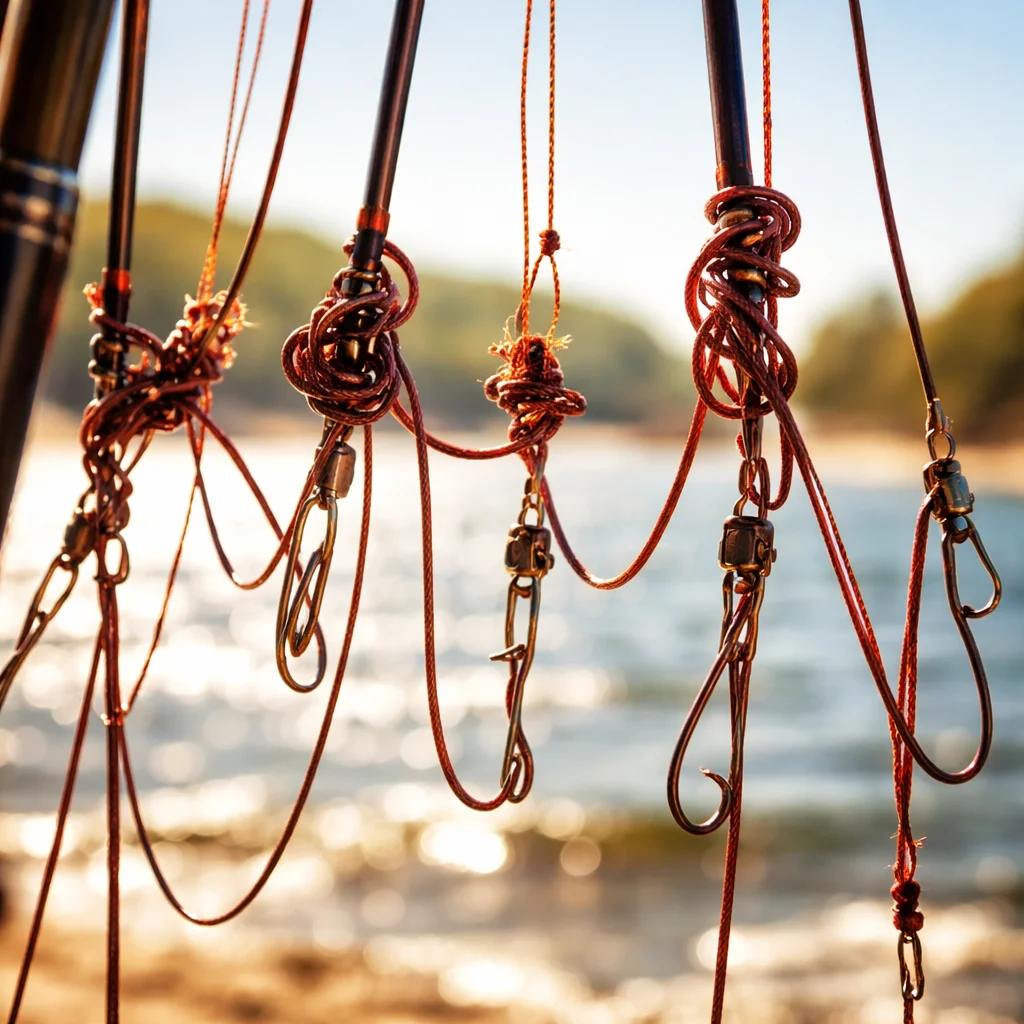
In conclusion, making informed decisions when selecting fishing lines is crucial for a successful fishing experience. By understanding the common line selection mistakes outlined in this guide, you can avoid pitfalls that may hinder your performance on the water. From recognizing the importance of line strength and material to considering visibility and environmental factors, each aspect plays a vital role in your fishing success.
Ultimately, the key to effective fishing line selection lies in the understanding of each line type’s characteristics and how they relate to your specific fishing conditions. By taking the time to choose the right fishing line, you will not only enhance your chances of landing that trophy catch but also improve your overall fishing experience. Remember, choosing the right fishing line is not just about picking a line; it’s about matching it to your skills, your gear, and the environment in which you fish.
