
How to Choose Fishing Lures: A Comprehensive Guide
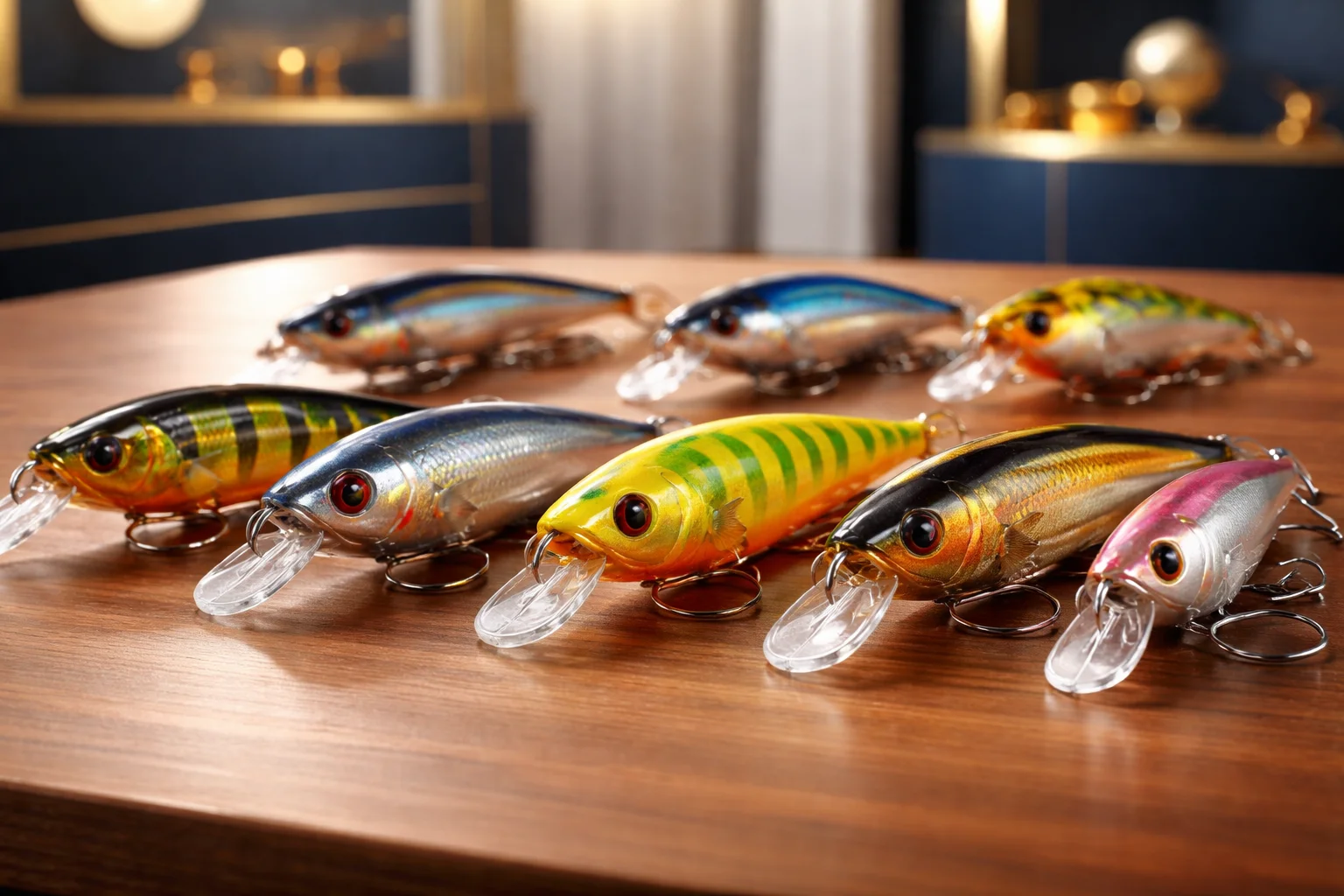
Selecting the right fishing lure can drastically improve your chances of landing that trophy fish. Fishing lures come in various shapes, sizes, and colors, each designed for specific fish species and environmental conditions. Understanding how to choose fishing lures involves not only knowing the types available but also considering the behavior of fish, the water conditions, and the specific characteristics of your target species. Whether you are a seasoned angler or an intermediate enthusiast, this guide will equip you with the knowledge to make informed decisions when it comes to lure selection.
The basics of fishing lures may seem straightforward, yet the nuances can be quite complex. Fishing lures can primarily be categorized into two types: artificial and live bait. Artificial lures include spinners, jigs, crankbaits, and soft plastics, while live bait typically refers to worms, minnows, or other natural prey. Each type of lure serves a different purpose, targeting specific fish species and fishing conditions. For instance, spinners are effective in attracting fish through vibration and flash, making them ideal for fast-moving waters, while jigs can be more effective in deeper waters where fish are less active.
Understanding the Basics of Fishing Lures
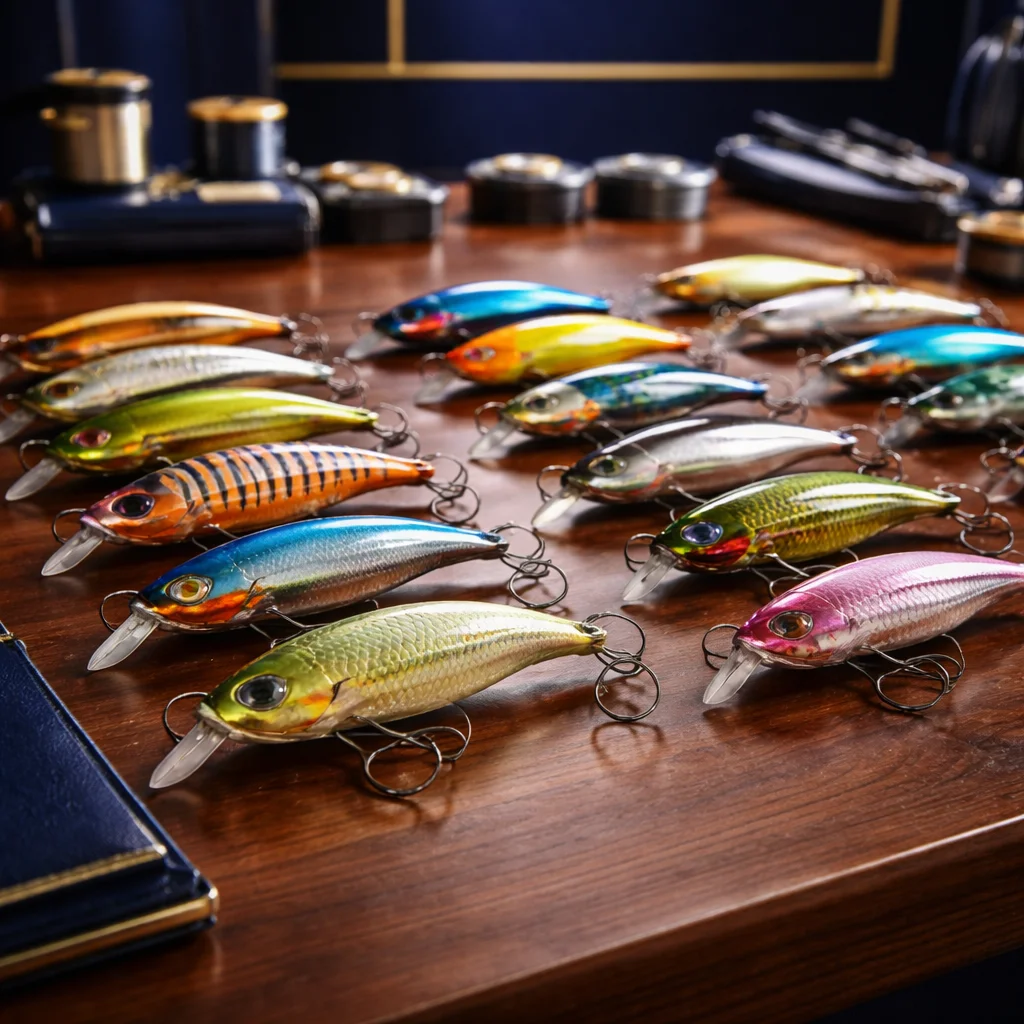
To effectively choose fishing lures, one must first understand the anatomy of these tools. Lures are designed to mimic the appearance and movement of prey, which can entice fish to strike. The key components of a lure include its size, shape, color, and action. Each of these elements plays a crucial role in how effective a lure will be under different conditions. For example, a brightly colored lure might be beneficial in murky waters where visibility is low, while a more natural color scheme may be more effective in clear waters.
Additionally, different types of lures have varying actions – some are designed to sink, while others float or move erratically through the water. Understanding how these actions interact with the environment can help you select the right lure. For instance, a crankbait that dives deep may be necessary for fishing in deeper lakes, while a topwater lure might be perfect for catching fish during early morning or late evening hours when they are feeding closer to the surface.
Types of Fishing Lures and Their Uses
Different types of fishing lures are available, each designed with specific uses in mind. Spinners, for example, are characterized by their rotating blades that create vibrations in the water, attracting predatory fish. They are versatile and can be used in various conditions, making them a favorite among anglers. Jigs, on the other hand, are weighted lures that can be used to target fish at varying depths. They can be tipped with soft plastic trailers or live bait for added attraction.
Crankbaits mimic the swimming action of baitfish and can be used to target species such as bass and pike. Their diving capabilities allow them to reach different depths, making them effective for both shallow and deep-water fishing. Soft plastics are another popular choice, as they can be rigged in numerous ways to imitate various prey. With such a wide array of lures available, understanding the specific applications for each type can help you maximize your success on the water.
Factors to Consider When Choosing Lures
When it comes to choosing fishing lures, several factors should be taken into account to enhance your fishing success. Water temperature plays a significant role in fish activity; warmer temperatures typically increase metabolism, leading to more aggressive feeding. Conversely, during colder seasons, fish may become lethargic, requiring lures that mimic slower movements or smaller prey. Additionally, water clarity can affect visibility, necessitating different lure choices based on how well fish can see them.
The current is another critical factor to consider. In fast-moving waters, lures that can withstand strong currents, such as heavier jigs or deeper diving crankbaits, may be necessary. Conversely, in calmer waters, lighter lures can be more effective as they can mimic the natural movement of fish more closely. Being adaptable and responsive to these environmental conditions will ultimately lead to more successful fishing trips.
Matching Lures to Fishing Conditions
Matching your lures to the fishing conditions is essential for success. For instance, in murky water, bright and flashy lures can help attract fish, while in clearer water, more natural colors often yield better results. It’s critical to observe the environment and be willing to adjust your lure selection accordingly. For example, if you notice fish are actively feeding on smaller baitfish, downsizing your lure may be beneficial to match the available prey.
Time of day also affects what lures to choose; during low-light conditions, fish may be more willing to strike at larger or louder lures. Conversely, in bright sunlight, a more subtle approach with smaller lures that mimic natural prey can be more effective. Understanding these dynamics and being prepared to change your lure selection based on the conditions you encounter will greatly improve your fishing experience.
Understanding Fish Behavior and Lure Selection
Understanding fish behavior is paramount when it comes to lure selection. Different species exhibit unique feeding patterns and preferences, often influenced by factors such as time of day, habitat, and seasonal changes. For example, bass are known to be ambush predators, often hiding in cover and striking at quick-moving lures that mimic fleeing prey. This knowledge can guide your choice to use faster-moving lures or those that can be paused near cover to entice strikes.
Moreover, seasonal changes can significantly impact fish behavior. During spring, fish are typically more active and aggressive as they prepare for spawning, making them more likely to chase after lures. In contrast, during the summer months, fish might seek cooler, deeper waters, requiring anglers to adjust their tactics and lure selection accordingly. Being attuned to these behavioral patterns can lead to more successful fishing outings.
Color Theory in Lure Selection
Color theory plays a vital role in lure selection, particularly concerning visibility and attractiveness to fish. Bright colors, such as chartreuse or orange, can be effective in murky water, as they draw attention and create a contrast against the surrounding environment. In contrast, natural colors like browns, greens, and silvers often perform better in clear waters, where fish can scrutinize the lure closely. Understanding the importance of color can help you adapt your lure choice based on water conditions and target species.
Additionally, some anglers swear by the “match the hatch” philosophy, which involves selecting lures that closely resemble the local prey species in both color and size. This approach can prove particularly effective in areas with a strong presence of specific baitfish or aquatic insects. Experimenting with different colors can yield valuable insights into what resonates with fish in your local waters.
The Importance of Lure Size
The size of your fishing lure is another critical element that can influence success. Generally, the size of the lure should correlate with the size of the target fish species. Larger lures can attract larger fish, while smaller lures can be more effective for species that feed on smaller prey. For instance, using a large swimbait can be effective for targeting trophy bass or pike, while smaller finesse baits might be more suitable for catching panfish.
It’s also important to consider the size of the lure in relation to the current conditions. In heavy current, a larger, heavier lure may be necessary to maintain control and visibility, while lighter lures may be more effective in calmer conditions. Tailoring your lure size to match the target species and current conditions can greatly enhance your chances of success.
Budgeting for Lures: What You Need to Know
When it comes to budgeting for fishing lures, it’s essential to strike a balance between cost and quality. While there are many affordable options available, investing in higher-quality lures can pay off in the long run due to their durability and effectiveness. It’s wise to allocate a reasonable budget for your fishing gear, including lures, rods, and reels, to ensure you have the right tools for the job.
Consider setting aside a portion of your budget specifically for experimenting with new lures. Fishing is often about trial and error, and having a variety of lures allows you to adapt to different conditions and fish behaviors. Additionally, asking fellow anglers for recommendations can provide valuable insights into which lures are worth investing in based on your local fishing conditions.
Experimenting with Lures: The Art of Trial and Error
Experimentation is a crucial aspect of fishing, particularly when it comes to lure selection. The art of trial and error involves trying out different lures, techniques, and presentations to determine what works best for your specific fishing situation. Keeping a fishing journal can be an effective way to track which lures perform well under certain conditions, helping you refine your approach over time.
It can be beneficial to join local fishing groups or online forums where anglers share their experiences and insights. Learning from others can provide valuable tips on effective lures and techniques, accelerating your learning curve. Remember, the key to successful fishing often lies in being adaptable and willing to try new things.
Maintaining and Caring for Your Fishing Lures
Proper maintenance and care for your fishing lures can significantly extend their lifespan and effectiveness. After each fishing trip, it’s important to inspect your lures for any signs of wear or damage. Cleaning lures to remove dirt, salt, or debris can also enhance their performance and longevity. For instance, using freshwater to rinse off saltwater lures can prevent corrosion and maintain their finish.
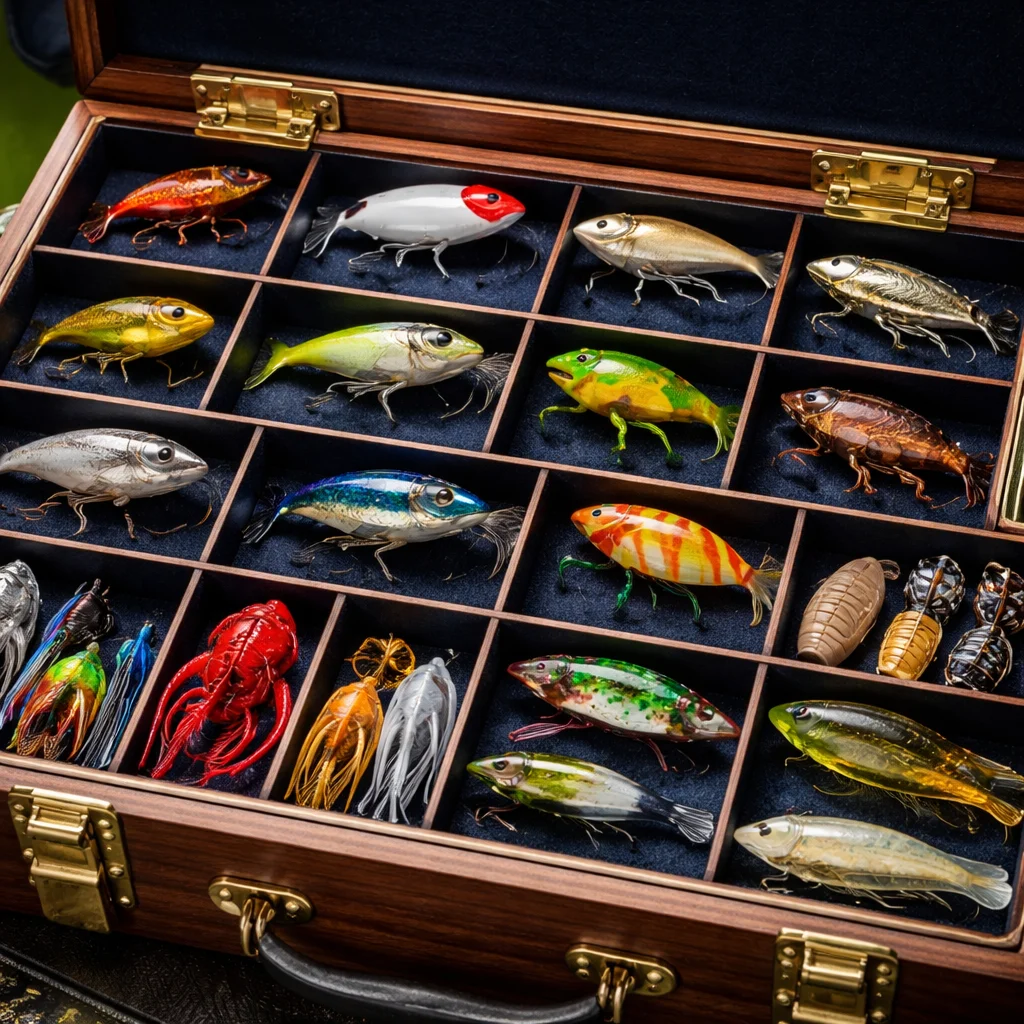
Additionally, organizing your lures in a tackle box can help prevent damage and make it easier to access the lures you need. Consider separating lures by type or size to streamline the selection process during your fishing trips. Regular maintenance not only keeps your lures in top condition but also ensures that you always have reliable gear when you head out on the water.
Top Lure Brands Recommended by Experts
When it comes to selecting fishing lures, certain brands have garnered a reputation for quality and effectiveness. Brands like Rapala, Strike King, and Berkley are often recommended by experienced anglers due to their reliable performance and innovative designs. For instance, Rapala is well-known for its lifelike crankbaits, while Strike King offers a wide range of jigs and spinnerbaits that are favored for their versatility.
It’s also worth exploring local brands that may be specifically tailored to your region’s fishing conditions. Many local tackle shops carry unique lures that have been developed with local waters in mind, offering you a competitive edge. Investing in reputable brands can ensure that you have dependable and effective lures in your tackle box.
Conclusion: Making the Right Choice
Choosing fishing lures can feel overwhelming, but with the right knowledge and strategies, it can also be a rewarding experience. By understanding the basics of lures, the types available, and the factors to consider, you can make informed decisions that increase your chances of success on the water. Remember to consider environmental conditions, fish behavior, and the importance of color and size when selecting your lures.
Ultimately, fishing is about enjoyment and connection with nature, so take the time to experiment and find what works best for you. With practice and patience, you’ll develop your unique approach to selecting effective fishing lures that lead to memorable fishing adventures. Happy fishing!
