
Avoiding Overpacking for Fishing Trips: Essential Tips
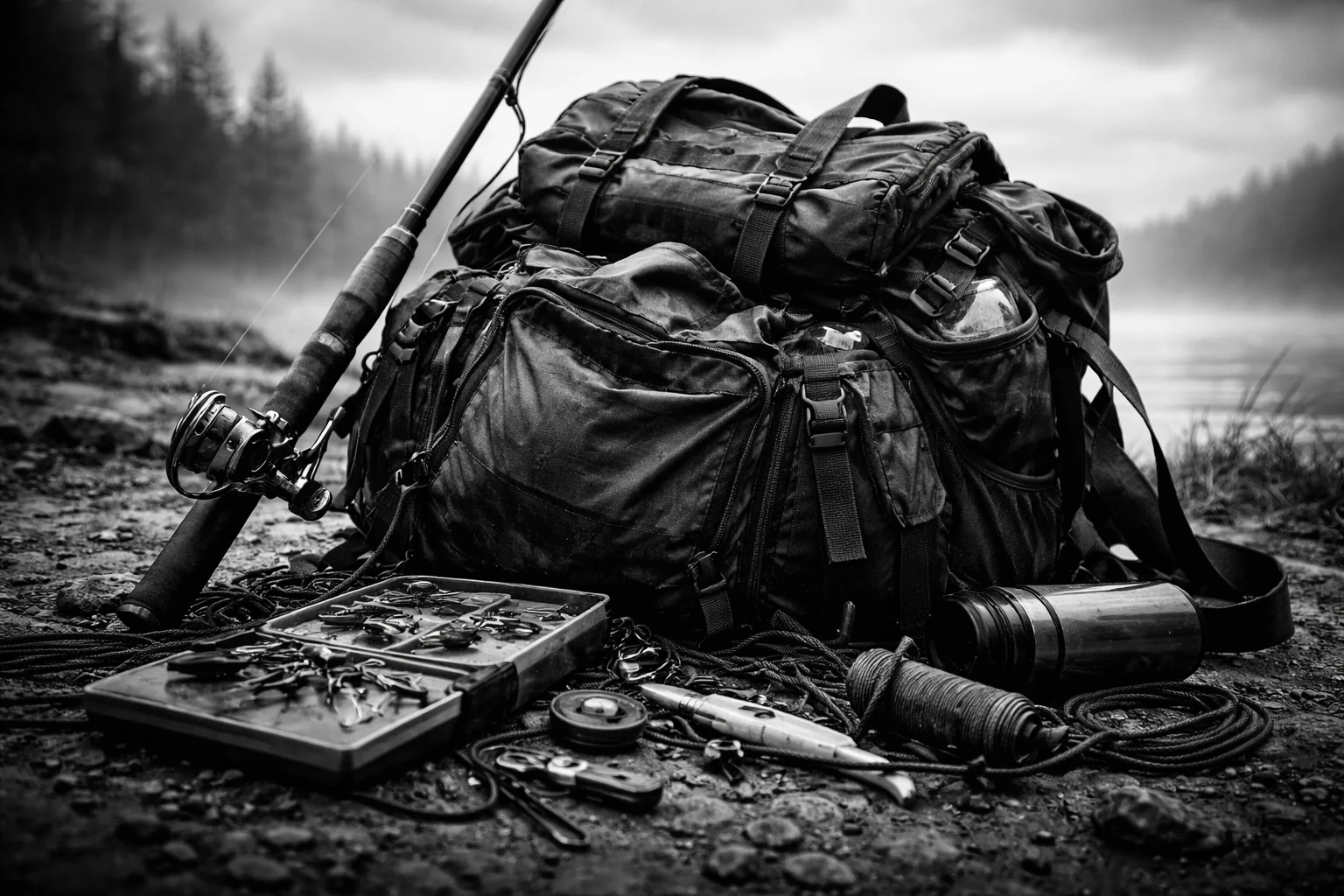
Fishing trips are often filled with anticipation and excitement, but overpacking can quickly turn that excitement into a cumbersome experience. Many anglers, whether seasoned or beginners, fall into the trap of bringing too much gear, which leads to unnecessary weight and complications. The key to a successful fishing trip lies in understanding overpacking mistakes and learning how to prepare efficiently. In this blog post, we will explore the common blunders associated with overpacking and provide actionable tips to ensure you pack smartly for your next fishing adventure.
Overpacking mistakes can manifest in various forms, from carrying duplicate items to packing gear that may never see the light of day. It’s crucial to recognize these pitfalls early on, as they can detract from your overall fishing experience. For instance, bringing multiple fishing rods when one or two will suffice can lead to a heavy load that is cumbersome to transport. Additionally, carrying excessive clothing or unnecessary cooking equipment can weigh you down and take up valuable space in your tackle box or backpack. Understanding these common missteps is the first step toward optimizing your packing strategy.
Understanding Overpacking Mistakes
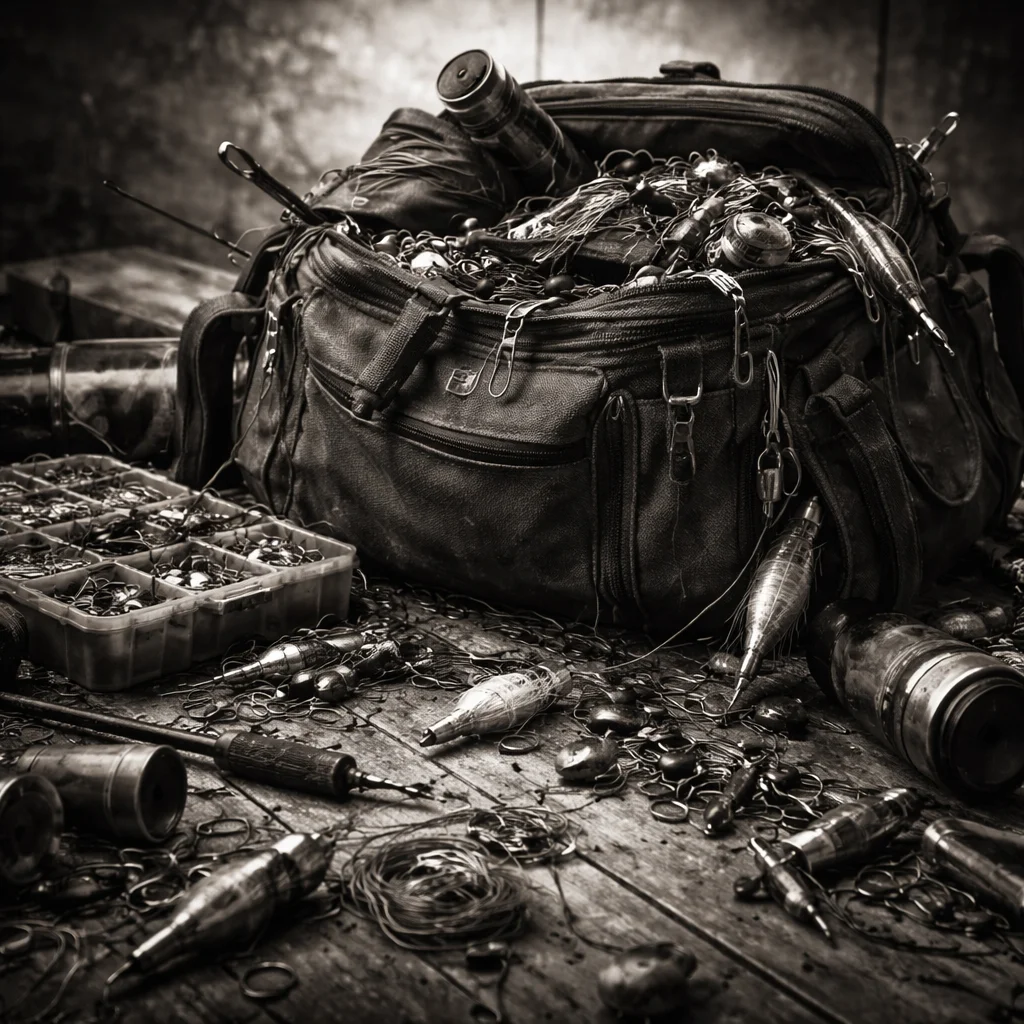
Identifying the reasons behind overpacking is essential for every angler. Often, the excitement of a fishing trip leads individuals to bring along everything they might possibly need, which can be overwhelming. For example, some anglers might pack a wide variety of lures for different fish species, even if they are targeting a single type of fish. This not only increases the weight but also makes it harder to find the right gear when you need it. Understanding the specific needs of your trip based on location and target species will help you avoid these overpacking mistakes.
Moreover, a significant factor contributing to overpacking is the fear of being unprepared. Many anglers worry that they might miss out on a fishing opportunity if they don’t bring along every conceivable piece of gear. However, a well-planned trip based on research and experience can help alleviate this anxiety. Choosing the right fishing gear tailored to your specific needs is crucial for reducing unnecessary items. By assessing your fishing conditions and understanding the environment you’ll be in, you can make informed decisions about what equipment is truly necessary.
The Importance of Trip Preparation
Effective trip preparation is paramount in preventing overpacking. Before embarking on your fishing adventure, take the time to plan your trip meticulously. This involves evaluating the fishing location, understanding the type of fishing you’ll be doing, and determining the necessary equipment for that specific setting. For instance, if you are planning to fish in freshwater rivers, your gear will differ significantly from what you would use in saltwater environments. By aligning your preparation with the type of fishing and location, you can pack only what you need.
Furthermore, a thorough packing list can serve as an invaluable tool during your trip preparation. Start by listing the essential items based on your target fish species and the fishing method you intend to use. For example, if you’re targeting bass, you might prioritize specific lures, rods, and reels suited for freshwater fishing. This targeted approach not only helps in reducing the weight of your pack but also ensures that you have everything you need for a successful fishing trip.
Assessing Your Fishing Needs
Understanding your fishing needs involves a detailed assessment of the type of fishing you will be doing and the environment in which you’ll be fishing. For instance, if you’re fly fishing in a mountainous area, you’ll require different gear compared to deep-sea fishing. This assessment should include evaluating the kind of fish you’re targeting, the time of year, and the specific conditions you might encounter. By narrowing down your requirements, you can significantly reduce the items you pack.
Another critical aspect of assessing your fishing needs is considering the duration of your trip. A weekend fishing trip will necessitate a different approach compared to a week-long excursion. For shorter trips, you can afford to minimize your gear, while longer trips may require more gear. Nevertheless, always aim to bring only what you will actively use. This could involve selecting a versatile rod that can handle different types of fish or using lures that are effective in various conditions.
Choosing the Right Gear
Choosing the right gear is integral to avoiding overpacking mistakes. Anglers often assume that more gear is better, but this is far from the truth. Instead, focus on selecting high-quality, versatile equipment that can serve multiple purposes. For example, a multi-use fishing rod can allow you to catch various species, reducing the need to pack several rods. Similarly, investing in tackle that can accommodate different fishing scenarios will minimize the items you need to carry.
When it comes to selecting tackle, consider the fishing conditions you expect to encounter. If you know you’ll be in an area with heavy vegetation, packing lures that are specifically designed for that environment can help streamline your gear. Additionally, consider the weight of your equipment. Lightweight gear can significantly ease the burden of packing, allowing you to focus on what really matters: enjoying your fishing experience.
Streamlining Your Tackle Box
Streamlining your tackle box is another effective strategy to combat overpacking. A cluttered tackle box can lead to wasted time during your fishing trips as you search for the right lure or tool. To avoid this, take the time to organize your tackle box before your trip. Group similar items together and remove any lures or tools that you haven’t used in recent outings. This not only helps in reducing weight but also ensures that you can quickly access what you need.
Consider adopting a minimalist approach to your tackle box. Instead of bringing every lure you own, select a few proven favorites that are effective for the specific fish species you will be targeting. For instance, if you’re heading out for trout, pack a few essential spinners or flies that have yielded results in the past. Less is often more when it comes to fishing tackle, and this streamlined approach can enhance your efficiency on the water.
Clothing Considerations
When packing for a fishing trip, clothing considerations play a significant role in overall comfort and efficiency. Many anglers tend to overpack clothing, bringing items they may never need. To avoid this pitfall, assess the weather conditions for your fishing location and pack only the necessary clothing layers. Lightweight, moisture-wicking fabrics are ideal as they can be easily layered and provide comfort throughout the day.
Additionally, consider the fishing conditions you will encounter. If you anticipate being out in the sun, packing a wide-brimmed hat and UV-protective clothing can offer protection without adding excessive weight. Conversely, if you’re fishing in cooler climates, prioritize thermal layers that can be easily removed as temperatures change throughout the day. By focusing on versatile clothing options, you can reduce the bulk in your pack while ensuring you remain comfortable during your fishing adventure.
Food and Hydration Essentials
Food and hydration are critical components of any fishing trip, yet they are often areas where overpacking occurs. Anglers frequently bring an excessive amount of snacks and drinks, leading to unnecessary weight. To streamline your food packing, focus on lightweight, high-energy snacks that can sustain you throughout the day. Examples include trail mix, energy bars, or jerky, which provide essential nutrients without taking up too much space.
Hydration is equally important, especially during long days on the water. Instead of packing multiple bottles of water, consider investing in a durable hydration pack that allows you to carry enough water without adding weight. This not only minimizes waste but also ensures that you remain hydrated without the hassle of managing several bottles. Remember, staying nourished and hydrated is vital for maintaining your energy levels and focus while fishing.
Emergency and Safety Gear
While packing efficiently is essential, it’s equally important not to overlook emergency and safety gear. Many anglers tend to underpack in this area, which can lead to severe consequences in case of an accident or unexpected situation. Basic first aid kits, emergency blankets, and a reliable multi-tool should be included in your packing list to ensure you are prepared for any mishaps that may occur during your trip.
Additionally, consider including safety gear such as life jackets, a whistle, and a flashlight, especially if you are fishing in remote areas or on larger bodies of water. These items may add slight weight to your pack, but they are crucial for ensuring your safety and well-being while fishing. Prioritizing emergency gear is an essential aspect of responsible fishing that should never be compromised, even when striving for minimalism.
Tips for Efficient Packing
To master the art of efficient packing, consider implementing some practical tips that can help streamline your process. One effective strategy is to utilize packing cubes or bags to organize your gear. These compartments help separate different categories of items, making it easier to access what you need without rummaging through your entire pack. This organization can save valuable time and effort, allowing you to focus on the fishing experience rather than searching for gear.
Another useful tip is to review and adjust your packing list based on past experiences. Reflect on previous trips and identify items that you didn’t use or found unnecessary. By learning from your experiences, you can refine your packing strategy and make informed decisions about what to include in your next outing. Keeping a checklist can also streamline your packing process, ensuring you don’t forget essential items while avoiding unnecessary duplicates.
Evaluating Your Packing List
Regularly evaluating your packing list is crucial for improving your efficiency. After each fishing trip, take some time to review what you brought and assess its value. Did you use everything in your pack? Were there items that took up space without serving any purpose? By conducting this evaluation, you can refine your packing list for future trips, ensuring you only bring what is genuinely necessary.
Engaging in discussions with fellow anglers can also provide valuable insights into what gear is essential versus what is extraneous. Sharing equipment, when possible, can reduce the burden of packing individual items, allowing you to have everything you need without overloading your pack. This collaborative approach fosters camaraderie and can enhance your overall fishing experience.
Final Thoughts on Packing Efficiently
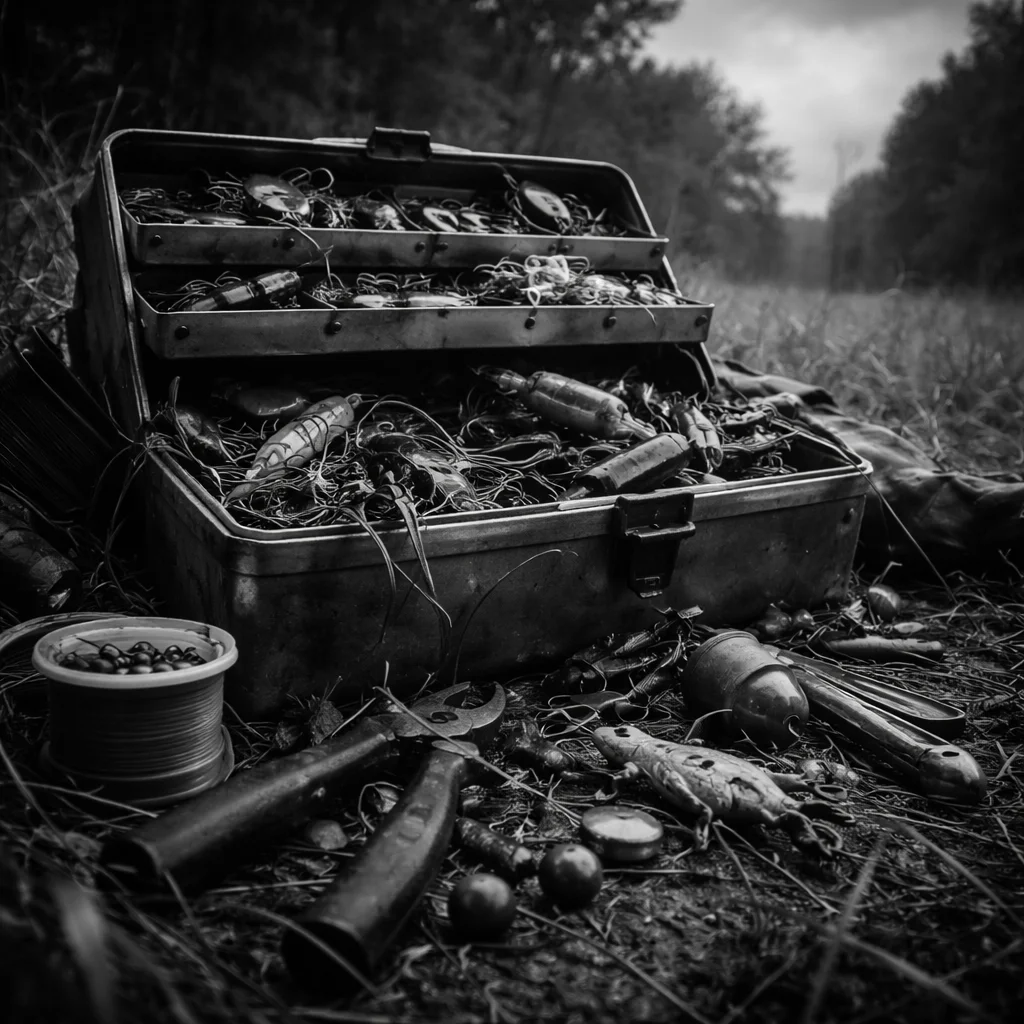
In conclusion, packing efficiently for fishing trips is an essential skill that can greatly enhance your overall experience. By avoiding overpacking mistakes, you can focus on what truly matters: the thrill of fishing. Embrace minimalism and make informed decisions about your gear, clothing, food, and safety equipment. Remember to assess your fishing needs based on location and target species, and streamline your packing process through organization and reflection.
Ultimately, packing efficiently not only lightens your load but also allows you to immerse yourself in the adventure of fishing. By prioritizing essential items and eliminating unnecessary weight, you can enhance your mobility, efficiency, and enjoyment on the water. So, the next time you prepare for a fishing trip, keep these tips in mind and embrace a more efficient approach to packing that can lead to memorable fishing experiences.
